
All trainings of the type
Accredited
Trainings that offer Continuing Education credits.
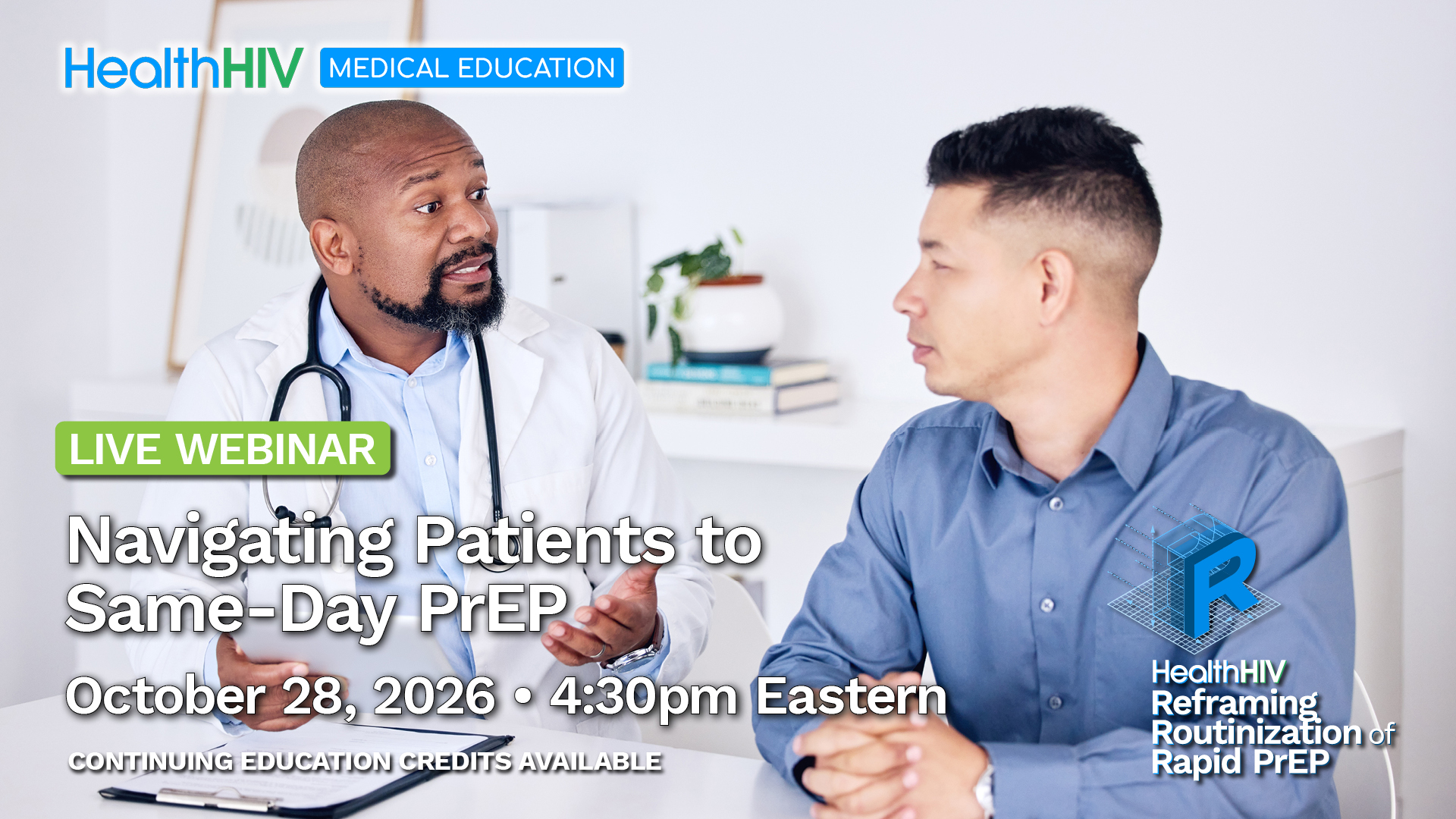
Navigating Patients to Same-Day PrEP
October 5, 2026OCTOBER 28, 2026 | This 60-minute webinar equips clinicians and allied health professionals with practical strategies for navigating their patients to same-day or rapid-start PrEP in their practices. Participants will explore how meeting patients where they are—by offering PrEP initiation at the point of care—reduces barriers to HIV prevention and improves uptake.
Integrated Care Strategies for Aging, HIV, and Substance Use
This training examines substance use among older adults with HIV and explores how age-related physiological changes influence drug metabolism, medication interactions, and overdose risk. Participants will learn to recognize common signs of substance use in older adults, apply evidence-informed drug user health strategies that support healthy aging, and identify practical opportunities to engage aging clients in care using compassionate and person-centered care.
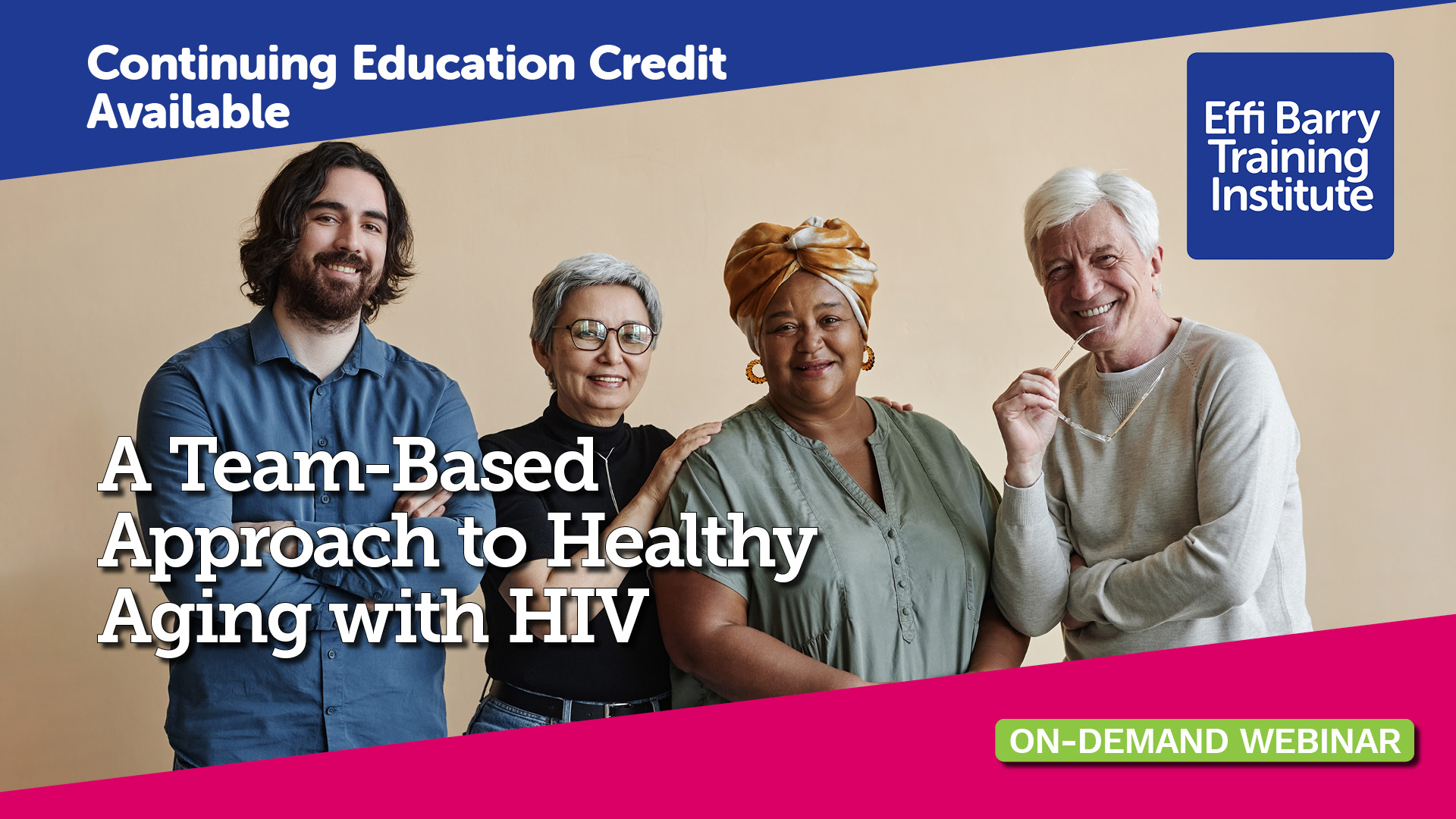
A Team-Based Approach to Healthy Aging with HIV
September 15, 2026As the population of older adults living with HIV continues to grow, coordinated, multidisciplinary care is increasingly important to address the complex medical, behavioral, and social needs of this population. This webinar will explore strategies for integrating healthcare providers, case managers, behavioral health professionals, pharmacists, peer navigators, and community-based organizations to deliver comprehensive, person-centered care.
LGBTQ Equity in HIV Prevention and Treatment Certificate for Social Workers
August 24, 2026The LGBTQ Health Equity Series is a comprehensive eight-module certificate program designed to strengthen healthcare professionals’ knowledge, skills, and practices in providing affirming, equitable, and culturally responsive HIV prevention and care to LGBTQ individuals. Across the series, participants will explore the social, structural, behavioral, and clinical factors shaping HIV disparities among LGBTQ populations, and gain practical strategies for delivering patient-centered care across diverse communities and care settings.
Advancing LGBTQ HIV Health Equity in the Long-Acting Injectable Era
This educational activity examines how long-acting injectable options for HIV prevention and treatment can be implemented to advance health equity among LGBTQ communities. Participants will review current HIV disparities, available long-acting injectable therapies, and clinical considerations for matching prevention and treatment options to individual patient needs and preferences.
Addressing Behavioral Health Needs Among LGBTQ Individuals in HIV Prevention and Care Settings
This educational activity examines behavioral health disparities affecting LGBTQ individuals and their influence on engagement in HIV prevention and care. Through evidence-based frameworks, practical clinical strategies, and a longitudinal patient case, participants will explore how minority stress, trauma, substance use, social determinants of health, and prior healthcare experiences can affect behavioral health and healthcare engagement.
Engaging LGBTQ Youth and Young Adults in HIV Prevention and Care
This educational activity examines the developmental, psychosocial, and structural factors affecting HIV vulnerability and healthcare engagement among LGBTQ adolescents and young adults. Through evidence-based guidance and a case-based clinical scenario, participants will explore barriers related to minority stress, stigma, confidentiality, insurance, healthcare autonomy, transportation, housing instability, and access to affirming services.
Care Without Borders: Advancing HIV Services for Newcomer Communities
This webinar explores strategies to improve access to HIV prevention, care, and supportive services for newcomer communities. It highlights the structural impact while offering practical approaches to build trust, ensure confidentiality, and provide culturally responsive, affirming services.
Strategies for Implementing Sexual History Taking into Clinical Practice
August 17, 2026Strategies for Implementing Sexual History Taking into Clinical Practice is a 60-minute E-Learning module for clinicians and staff who will be introduced to the barriers that commonly impact sexual history taking implementation as well as the strategies for overcoming them to implement it in clinical settings.
Honoring Traditions, Advancing Health: Delivering Culturally Responsive HIV Prevention and Care with American Indian and Alaska Native Communities
June 29, 2026This e-learning module explores the intersection of cultural traditions and HIV prevention in Native communities. Learners will gain foundational knowledge of the historical, social, and cultural factors that influence HIV risk and access to care, as well as an overview of disparities impacting Native populations. The module highlights culturally responsive, community-led approaches to prevention, including the integration of traditional practices and the importance of trust-building.
Common and Emerging Adulterants
This skill-building learning collaborative provides an overview of common and emerging drug adulterants affecting the current drug supply and their implications for overdose prevention and response, including which overdose related symptoms may respond to naloxone and which may require additional medical intervention.
Rationale, Reasoning, and Readiness for Same-Day PrEP
June 16, 2026Over the course of this 1.0 credit/contact hour certified interactive live activity, an interdisciplinary faculty team including an HIV specialist, LGBTQ+ primary care clinician, and prevention services leader will examine the rationale, clinical considerations, and operational readiness required to implement same-day PrEP initiation within real-world practice settings.