
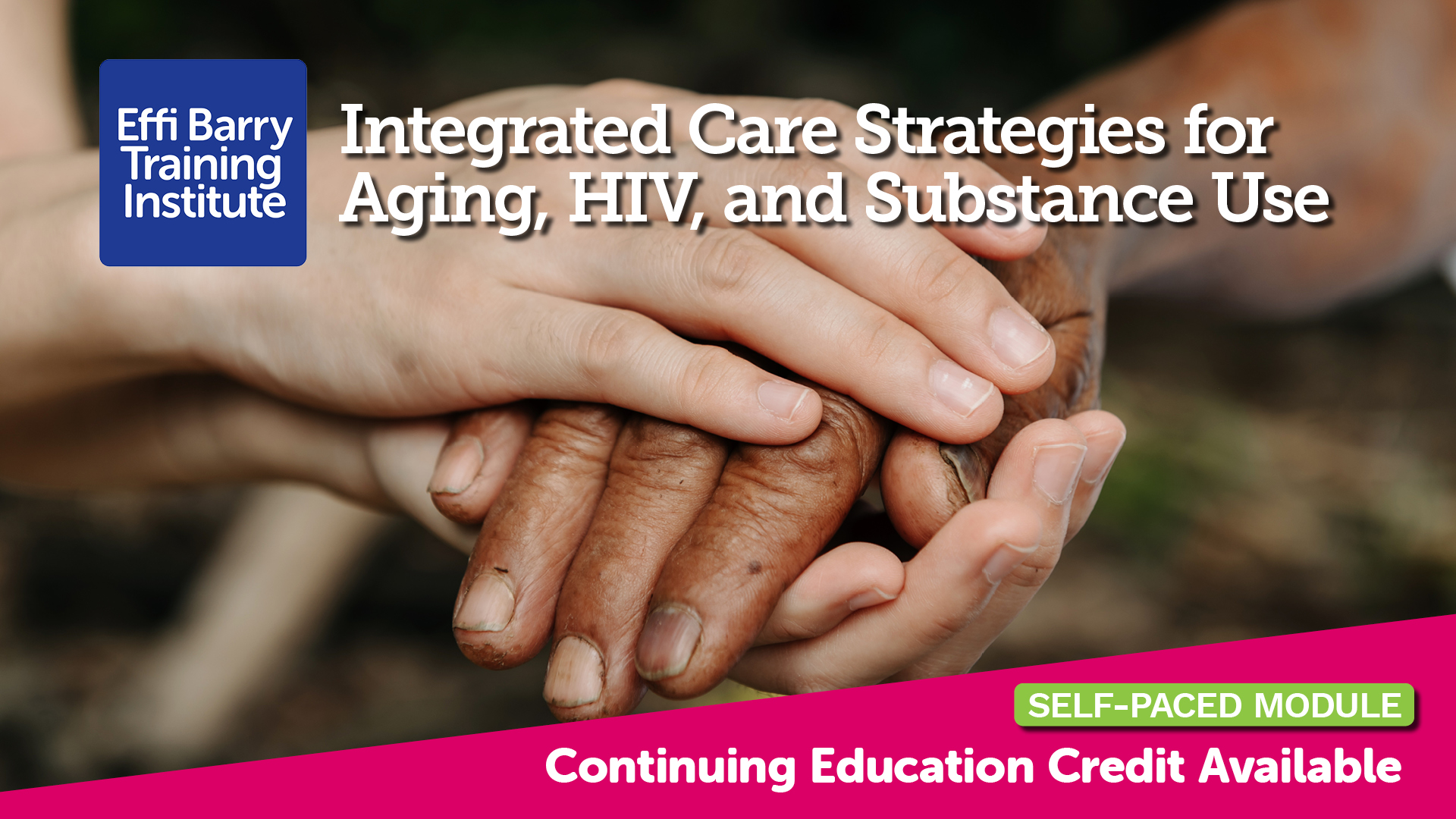
Integrated Care Strategies for Aging, HIV, and Substance Use
October 5, 2026This training examines substance use among older adults with HIV and explores how age-related physiological changes influence drug metabolism, medication interactions, and overdose risk. Participants will learn to recognize common signs of substance use in older adults, apply evidence-informed drug user health strategies that support healthy aging, and identify practical opportunities to engage aging clients in care using compassionate and person-centered care.
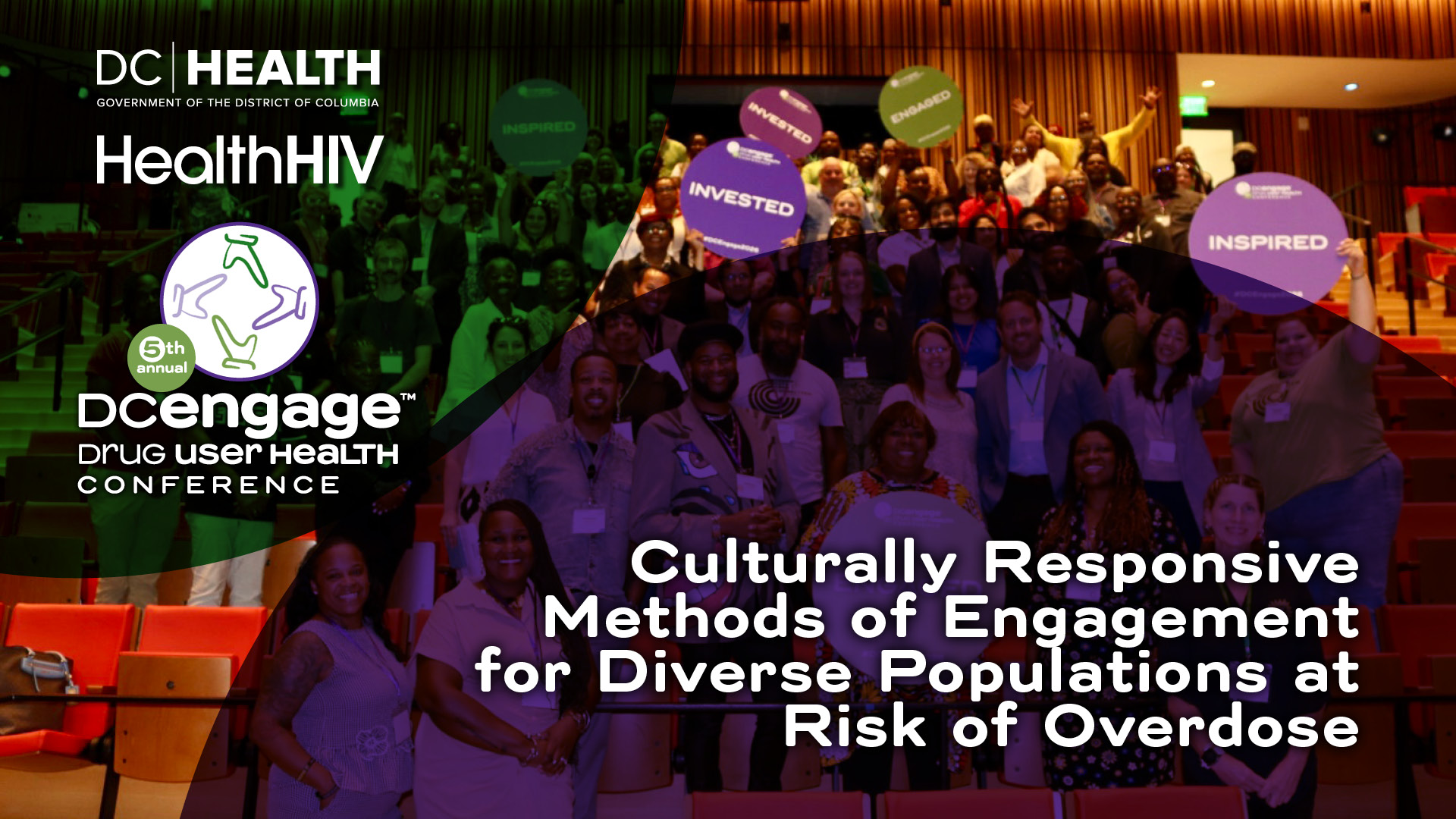
Culturally Responsive Methods of Engagement for Diverse Populations at Risk of Overdose
October 2, 2026This breakout session focuses on culturally responsive approaches to building trust, reducing barriers to care, and fostering meaningful connections with individuals across diverse populations. Participants will examine practical outreach strategies, communication techniques, and inclusive practices that support equitable, person-centered overdose prevention and drug user health services.

Two Lives, One Journey: Pregnancy and Substance Use
This breakout session focuses on the complex intersections of pregnancy and substance use. Participants will explore best practices for providing nonjudgmental, trauma-informed care, reducing stigma, and connecting individuals to appropriate treatment and supportive services. Participants will gain practical strategies to foster trust, improve maternal and infant health outcomes, and support families through a harm reduction lens.
Vision to Impact: DC Engage Micrograntees in Action
This session provides an in-depth exploration of how the 2026 DC Engage’s micrograntees are advancing drug user health, improving health outcomes, and strengthening communities across the District. During this showcase, funded organizations will highlight their programs, share lessons learned, and discuss the real-world impact of their work.
Substance Use, Survival, and Control: Rethinking Culturally Responsive Care for Trafficked and Exploited Youth
This breakout session explores the complex relationship between substance use, exploitation, and survival among trafficked and exploited youth. Participants will examine culturally responsive, trauma-informed approaches that recognize the unique experiences of young people while reducing stigma and strengthening engagement. Practical strategies for fostering trust, improving service delivery, and supporting long-term recovery and resilience will be shared.

We Heal Different: Every Interaction Is an Intervention™ — The HEAL Framework™ for Building Trust, Psychological Safety, and Healing-Centered Engagement
This session explores how everyday interactions can influence trust, engagement, and well-being among people who use drugs. Participants will explore trauma-informed approaches and practical strategies for creating psychologically safe environments, strengthening relationships, and delivering more supportive, person-centered services across diverse settings.
What Are We Not Talking About? What Do We Need to Know?: A Conversation with DC Health
This opening plenary will provide attendees with updates from DC Health HAHSTA on emerging priorities, programmatic changes, and the evolving landscape of drug user health in Washington, DC. Topics include enhancements to peer educator initiatives, new approaches to drug user health services, the development of a dedicated street medicine team, and the intersection of substance use and mental health.
From Trusted Presence to Community-Designed Programming: A Faith-Rooted Model for Advancing Drug User Health in Washington, DC
This breakout session explores community-driven approaches to drug user health and response activities that address stigma, expand access to harm reduction and recovery resources, and strengthen connections to care. The presenter will share lessons learned from building a multigenerational, faith-rooted continuum of prevention, education, service navigation, and support in communities impacted by health disparities.
Motivational Interviewing for Drug User Health Settings
August 20, 2026This interactive skill-building learning collaborative is designed to strengthen participants’ ability to use motivational interviewing (MI) techniques when working with people who use drugs.
When Our Clients Age: Adapting Drug User Health for Older Adults
July 1, 2026This webinar will help participants build practical skills for assessing and supporting older clients, including those with long-term substance use histories. Participants will explore how aging changes the way drugs affect the body, why overdose risk increases, and how common signs of substance use may present differently in older adults.
Complementary and Integrative Approaches in Substance Use Care
This training introduces complementary and integrative practices that can support individuals navigating substance use, including mindfulness, body-based approaches, and culturally grounded care models.
Practical De-Escalation and Conflict Resolution Skills
June 29, 2026This skill building learning collaborative equips healthcare providers, outreach workers, peer navigators, and other frontline staff with practical techniques for de-escalation and conflict resolution when working with people who use drugs.