
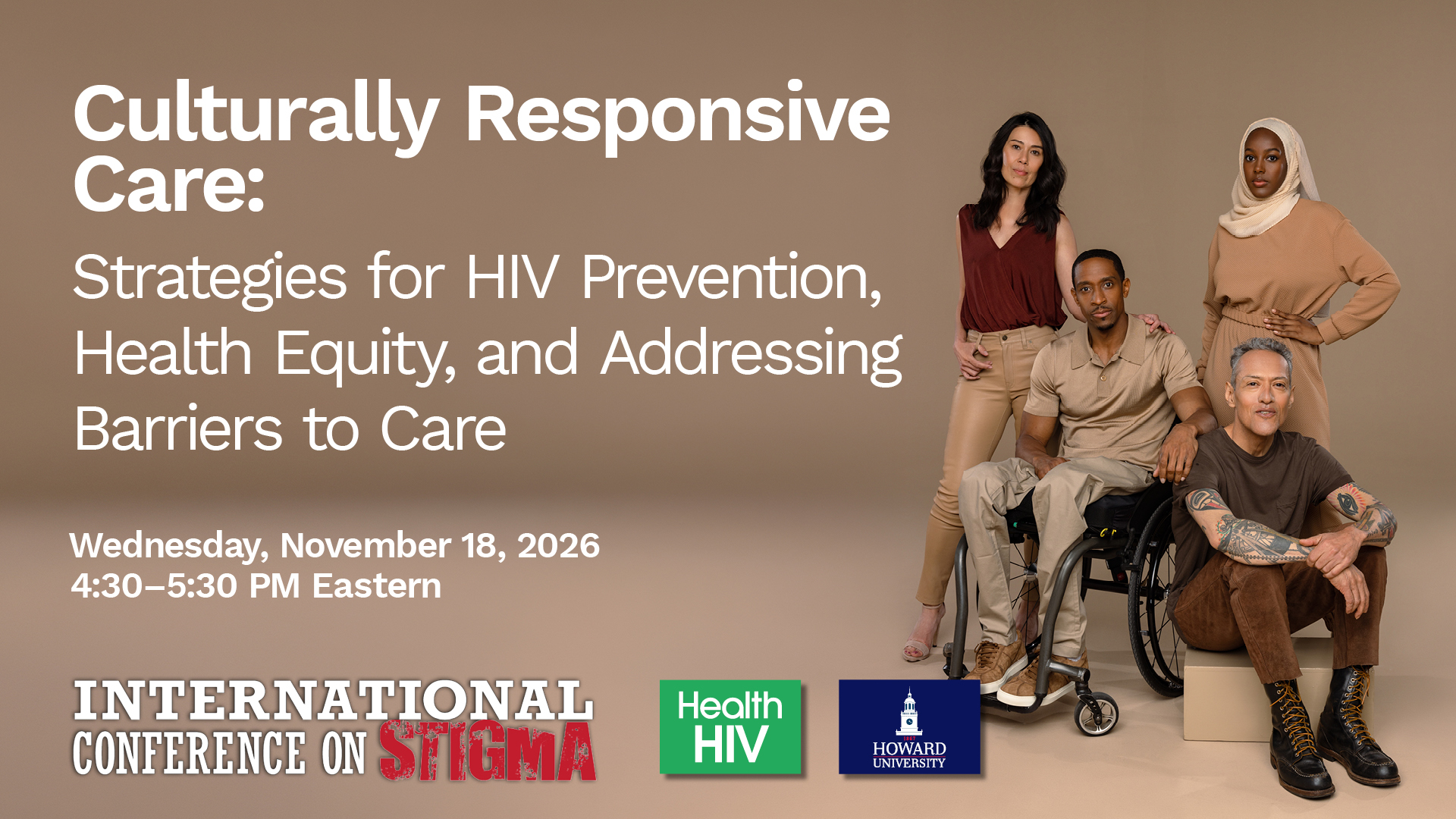
Culturally Responsive Care: Strategies for HIV Prevention, Health Equity, and Addressing Barriers to Care
October 2, 2026NOVEMBER 18, 2026 • This webinar will explore how cultural, social, and structural factors can influence health experiences, access to care, and health outcomes, with a focus on HIV prevention and sexual health. Participants will examine how stigma, communication barriers, social determinants of health, and cultural assumptions can create barriers to HIV prevention, testing, treatment, and other healthcare services.
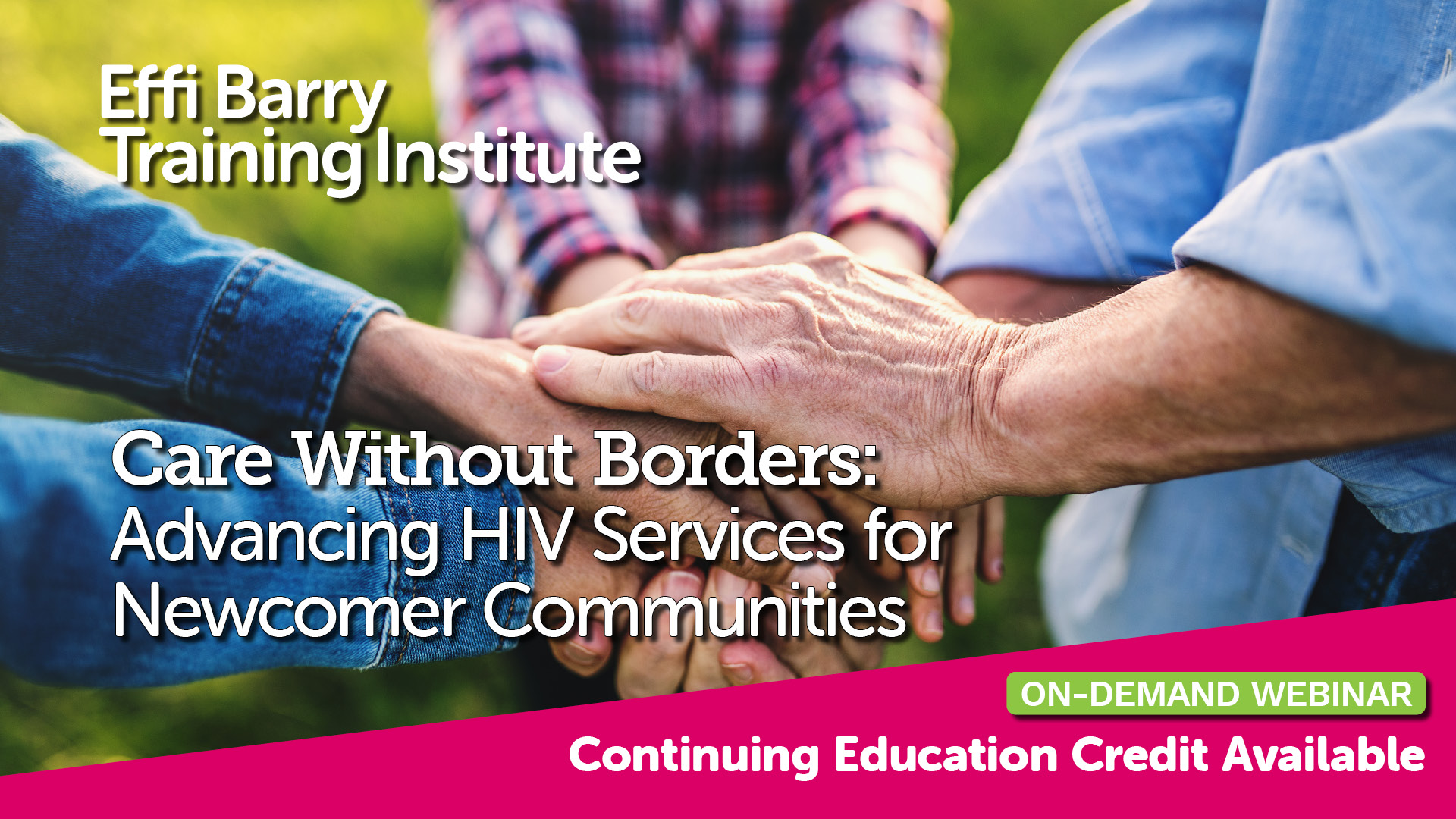
Care Without Borders: Advancing HIV Services for Newcomer Communities
August 24, 2026This webinar explores strategies to improve access to HIV prevention, care, and supportive services for newcomer communities. It highlights the structural impact while offering practical approaches to build trust, ensure confidentiality, and provide culturally responsive, affirming services.
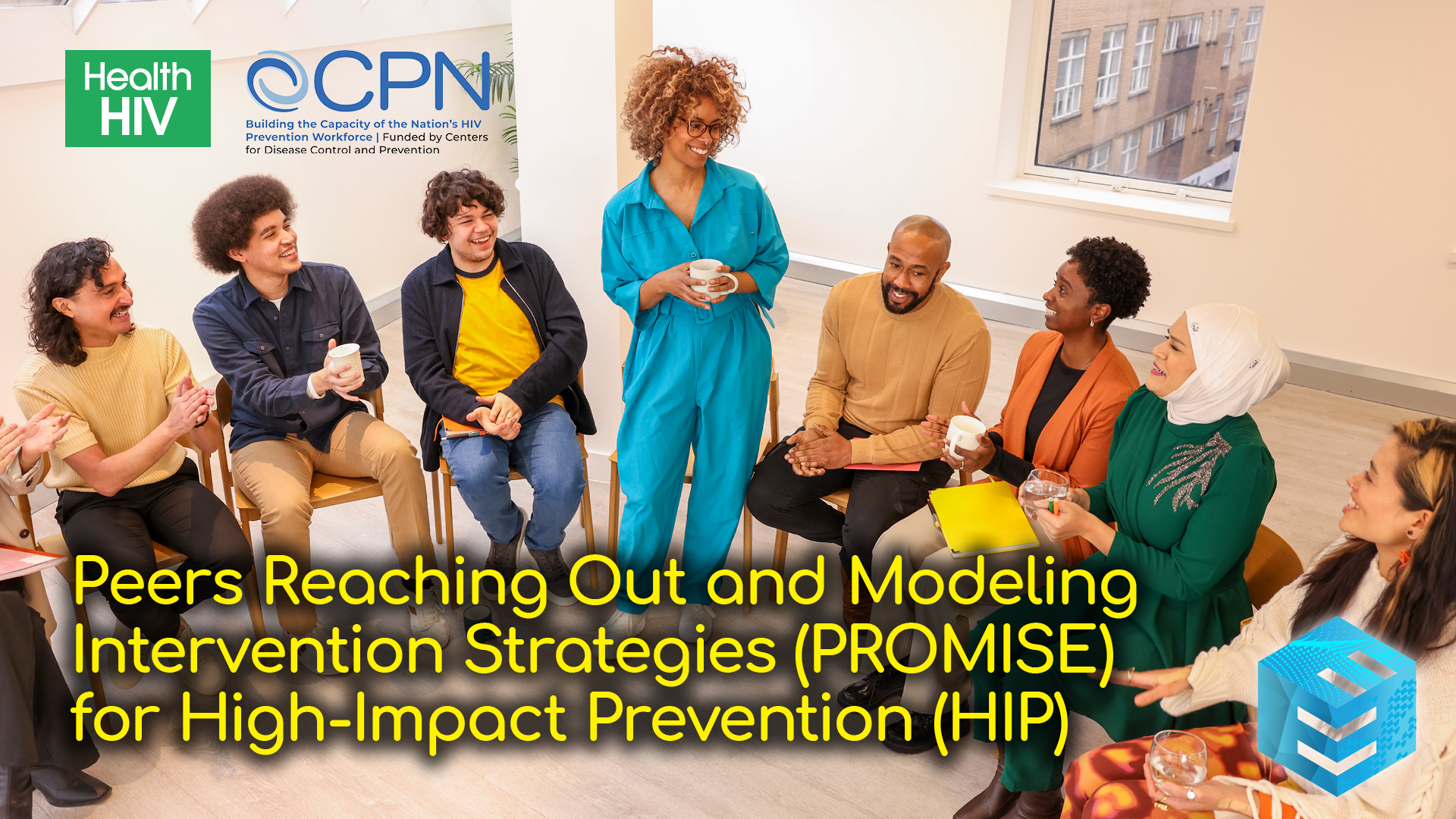
Peers Reaching Out and Modeling Intervention Strategies (PROMISE) for High-Impact Prevention (HIP)
August 1, 2026The Peers Reaching Out and Modeling Intervention Strategies (PROMISE) for High-Impact Prevention (HIP) training course prepares public health professionals and community leaders to implement an effective, peer-led HIV prevention intervention.
Honoring Traditions, Advancing Health: Delivering Culturally Responsive HIV Prevention and Care with American Indian and Alaska Native Communities
June 29, 2026This e-learning module explores the intersection of cultural traditions and HIV prevention in Native communities. Learners will gain foundational knowledge of the historical, social, and cultural factors that influence HIV risk and access to care, as well as an overview of disparities impacting Native populations. The module highlights culturally responsive, community-led approaches to prevention, including the integration of traditional practices and the importance of trust-building.
Affirming Care for Immigrant Communities: Building Inclusive and Responsive Services
June 3, 2026This session equips participants with tools to create affirming, inclusive services for immigrant communities with a focus on respect, access, and trust across Maryland’s service systems.
Real Talk, Real Impact: HIV Prevention and Sex Work
May 8, 2026This webinar explores the intersection of sex work, access to healthcare, and community safety. Participants will learn practical strategies for building trust, engaging respectfully, and supporting autonomy while working to reduce stigma and create safer, more inclusive service environments.
Enhancing Care for Migrant Clients Living with HIV: Strategies for Support and Access
February 11, 2026This webinar will provide practical strategies to strengthen care and access for migrant clients affected by HIV, with a primary focus on African migrant communities.
Touch Points In Action: Engaging Navigators to Support Pan-Viral Linkage to Care and Prevention
January 22, 2026This webinar explores how patient navigation models can be optimized within fast-paced, high-volume environments serving patients who may not be regularly engaged in care. Participants will learn practical approaches for brief interventions, health education, linkage to care, and follow-up coordination that fits within the unique workflows of emergency departments and student health centers.

Expanding Access: Models for Opt-Out Testing in Emergency Departments
November 20, 2025This webinar will share interim data and lessons learned from the “Touch Points” opt-out testing and linkage to care initiative, and explore benefits and limitations of different models for opt-out HIV testing implementation.
Stronger Futures: Re-Entry Support for Black Women with HIV
November 5, 2025This powerful webinar spotlights the resilience of Black women living with HIV as they return to their communities after involvement in the justice system. This engaging session will uncover how stigma, systemic inequities, and gaps in care shape health outcomes, while also lifting up real-world strategies that work.