
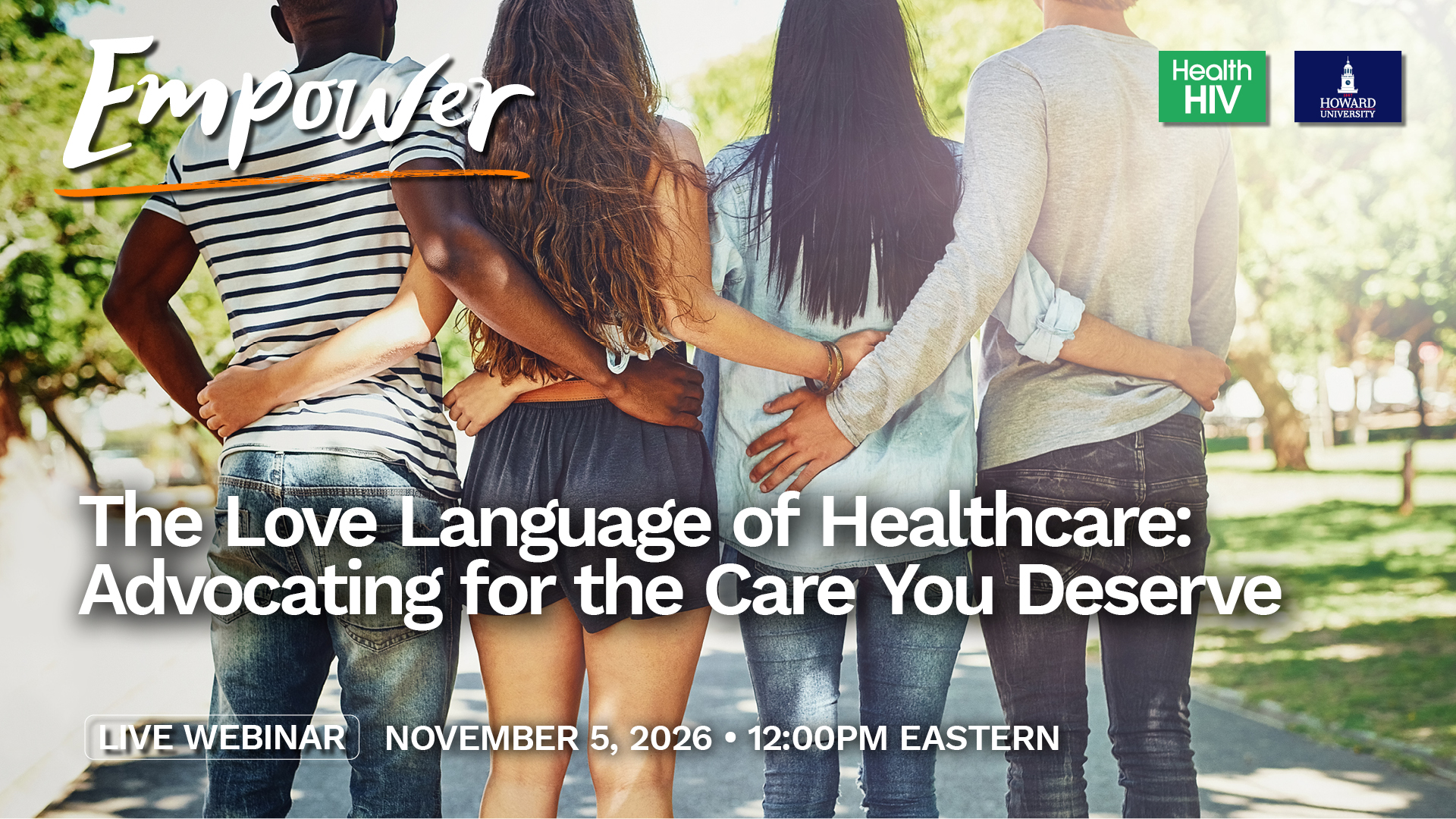
The Love Language of Healthcare: Advocating for the Care You Deserve
October 15, 2026NOVEMBER 5, 2026 @ 12pm EASTERN — This webinar will empower Black women to advocate for themselves when accessing healthcare. Focusing on sexual health, HIV prevention, testing, and treatment, participants will learn what questions to ask and information to seek from providers, how to communicate their needs and boundaries, and strategies for navigating and challenging healthcare stigma.
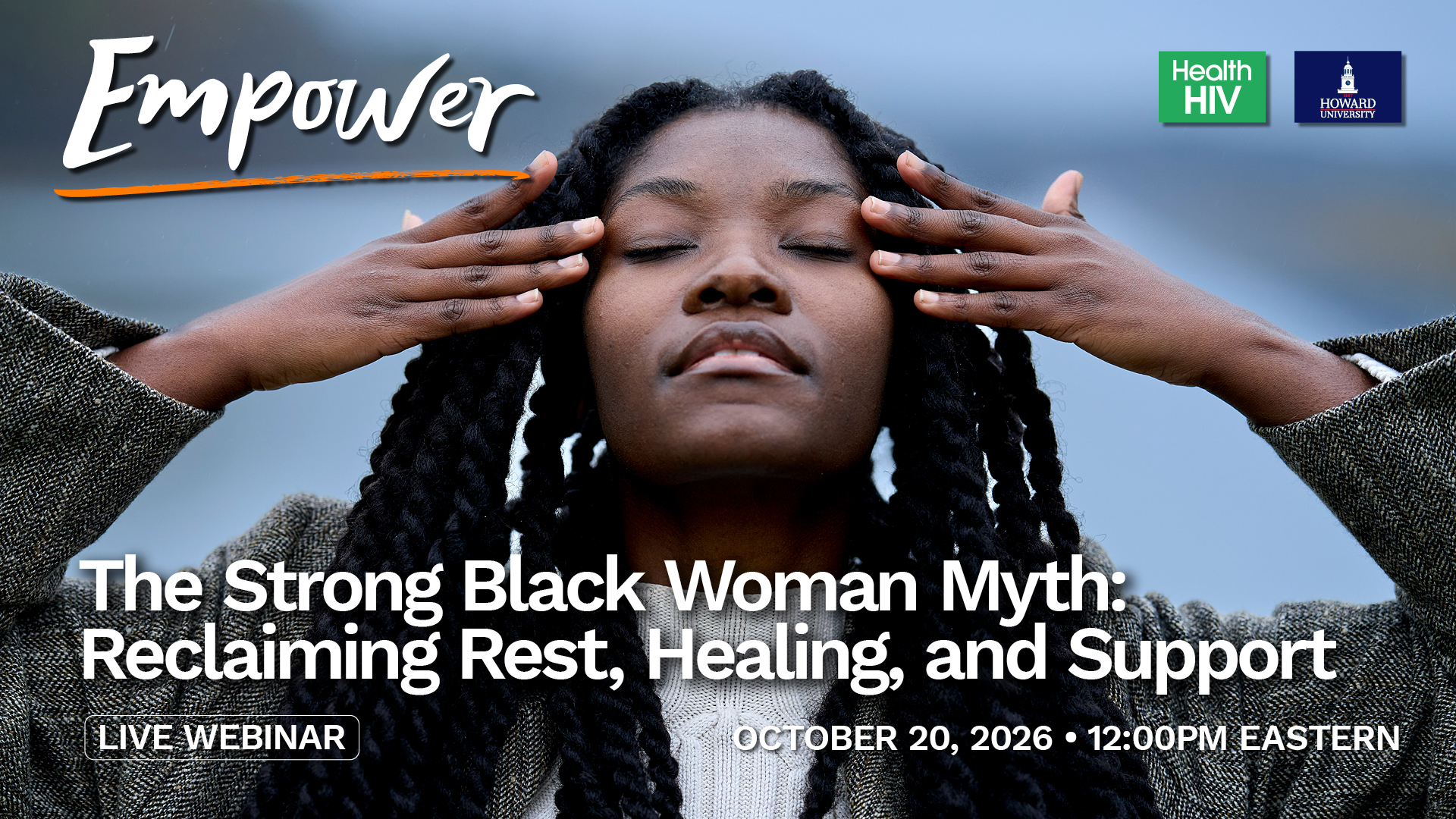
The Strong Black Woman Myth: Reclaiming Rest, Healing, and Support
October 5, 2026OCTOBER 20, 2026 — This webinar explores the mental health experiences of Black women through both clinical and community-centered perspectives, highlighting the connections between emotional well-being, HIV education, and prevention. Participants will learn about common mental health challenges, the impact of stress and trauma, and how these experiences can influence sexual health decisions and engagement with HIV prevention services.
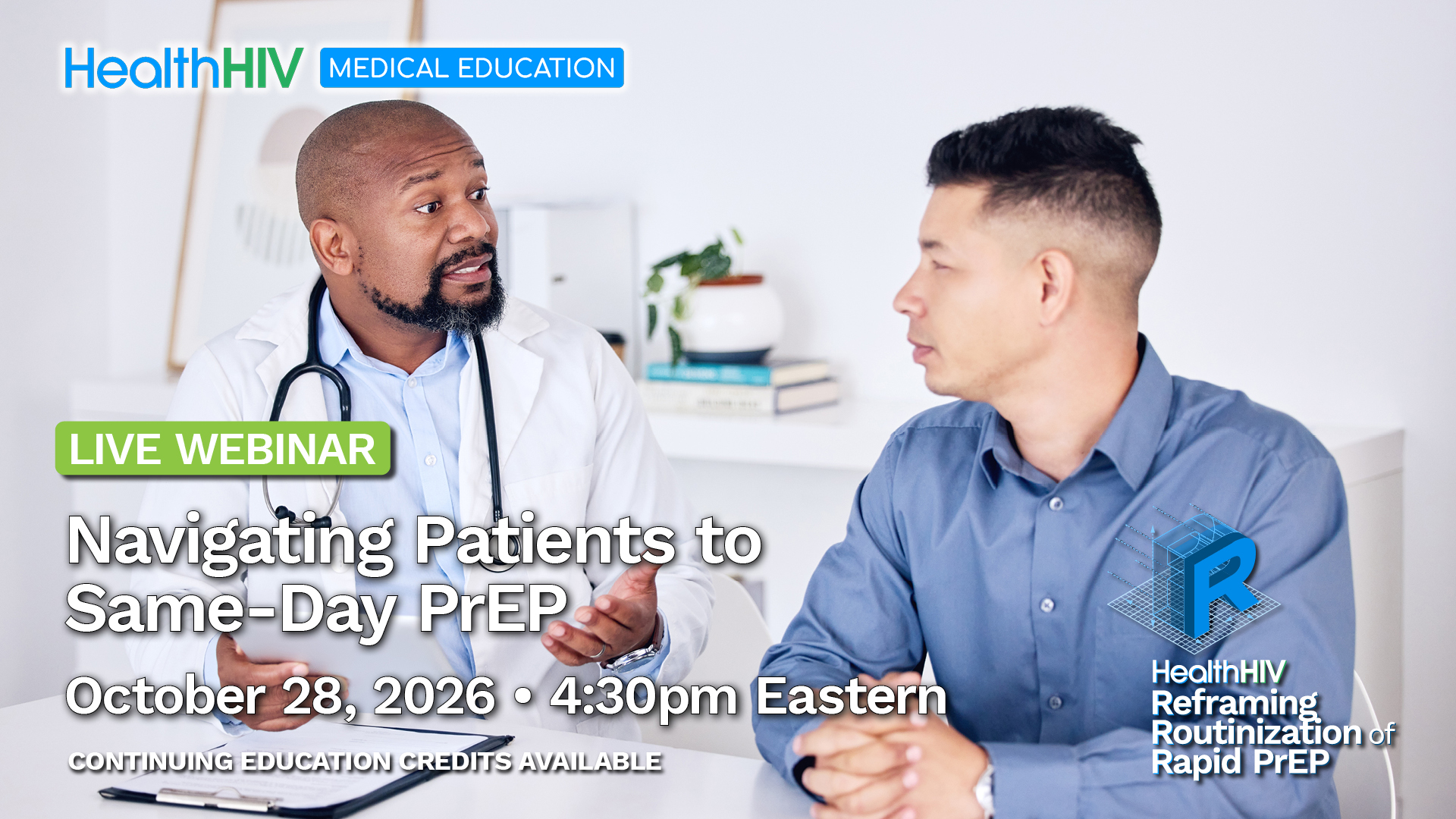
Navigating Patients to Same-Day PrEP
OCTOBER 28, 2026 | This 60-minute webinar equips clinicians and allied health professionals with practical strategies for navigating their patients to same-day or rapid-start PrEP in their practices. Participants will explore how meeting patients where they are—by offering PrEP initiation at the point of care—reduces barriers to HIV prevention and improves uptake.
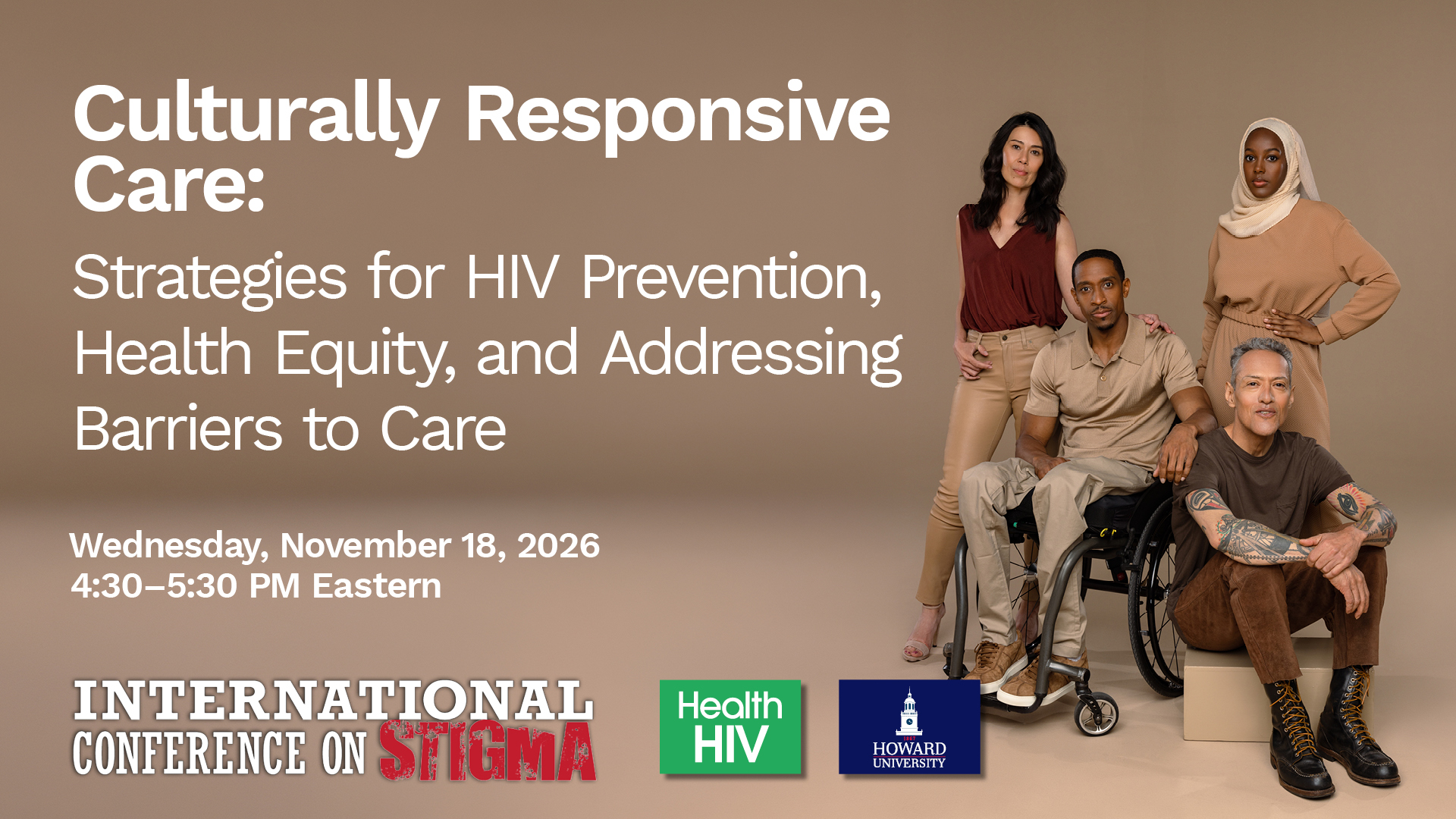
Culturally Responsive Care: Strategies for HIV Prevention, Health Equity, and Addressing Barriers to Care
October 2, 2026NOVEMBER 18, 2026 • This webinar will explore how cultural, social, and structural factors can influence health experiences, access to care, and health outcomes, with a focus on HIV prevention and sexual health. Participants will examine how stigma, communication barriers, social determinants of health, and cultural assumptions can create barriers to HIV prevention, testing, treatment, and other healthcare services.
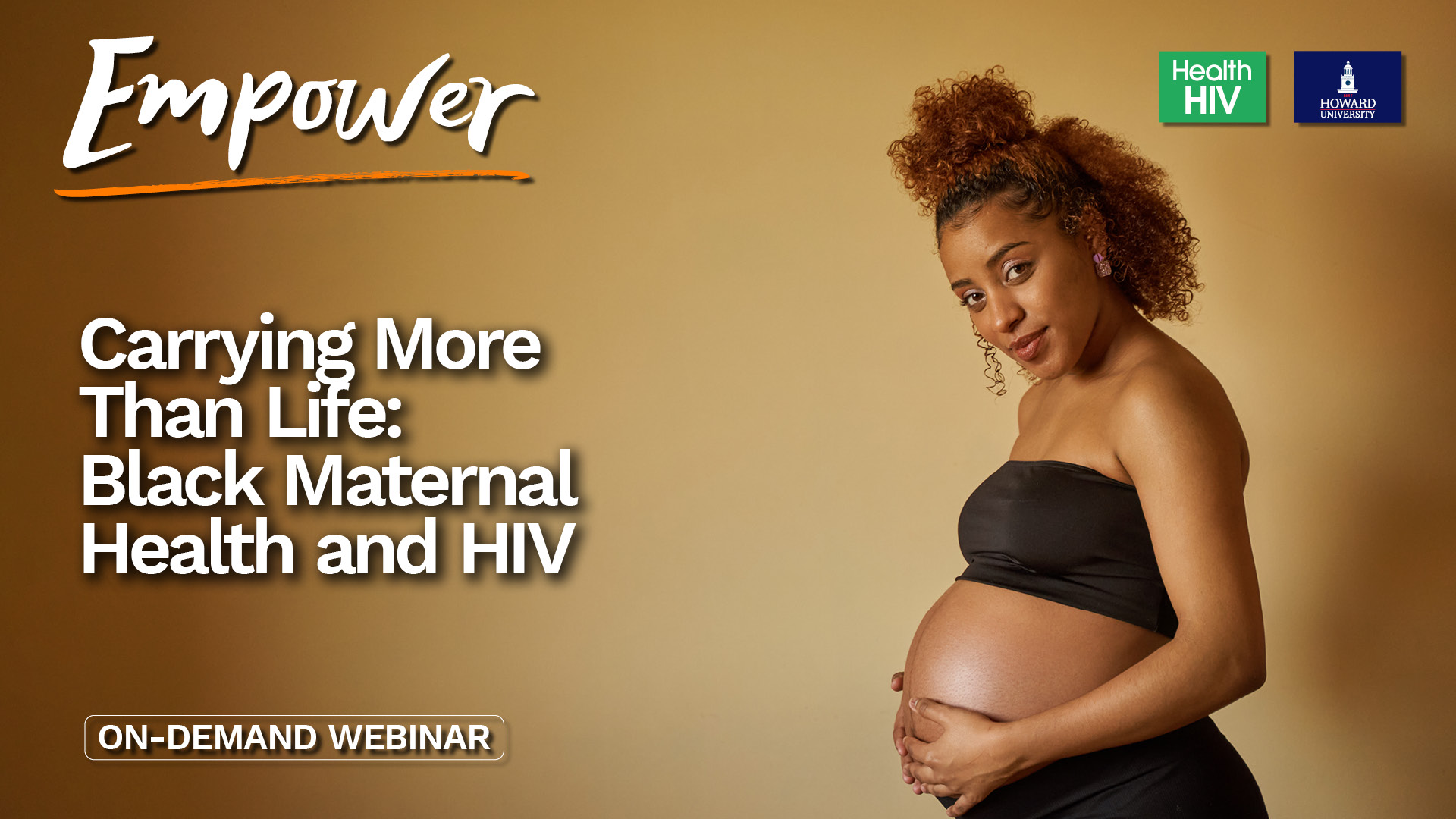
Carrying More Than Life: Black Maternal Health and HIV
September 22, 2026This webinar will explore the intersection of Black maternal health and HIV through clinical expertise, lived experience, and community perspectives. Participants will learn about maternal health disparities, HIV prevention and treatment during pregnancy, and strategies for navigating healthcare systems and advocating for quality care.
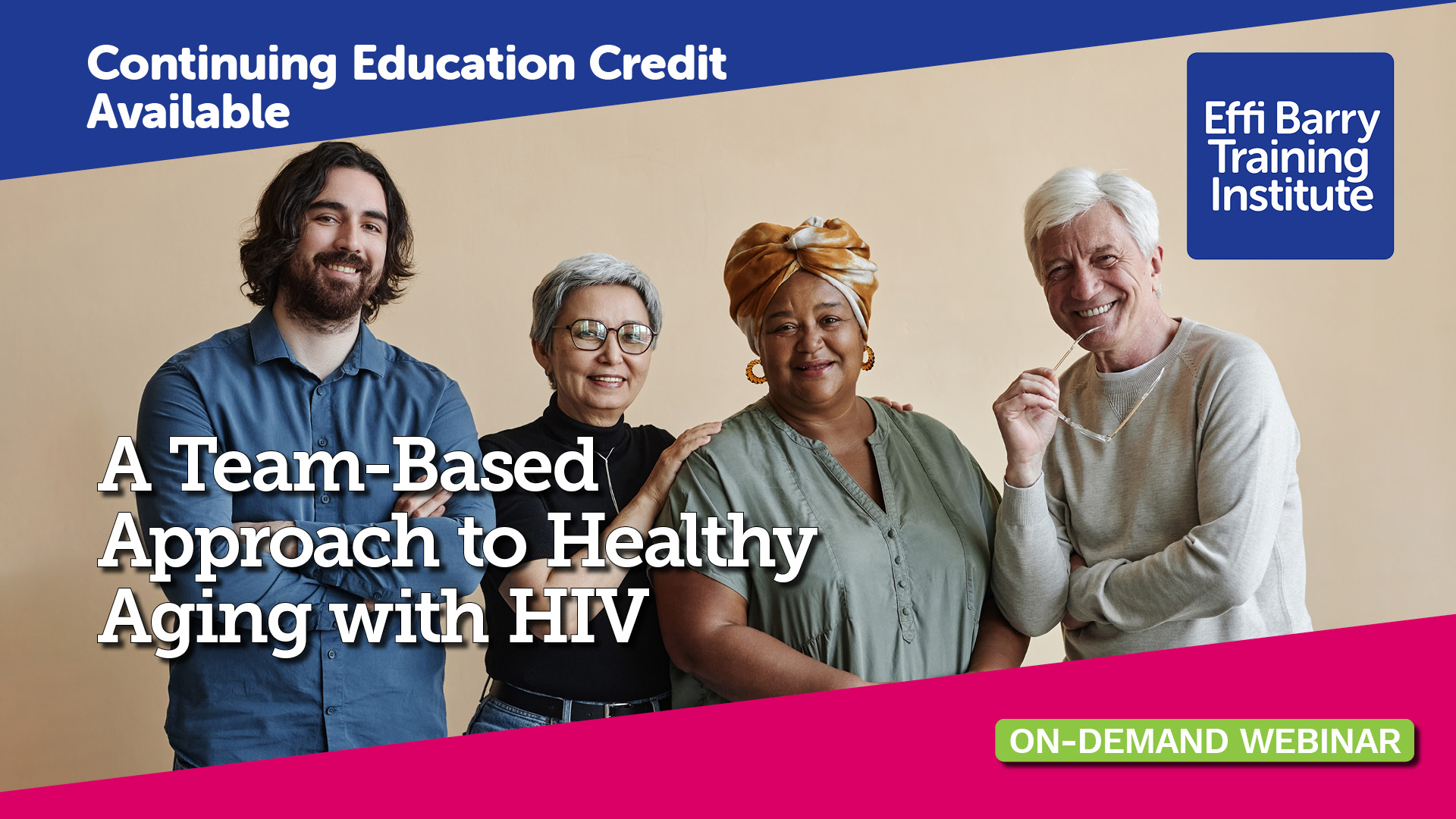
A Team-Based Approach to Healthy Aging with HIV
September 15, 2026As the population of older adults living with HIV continues to grow, coordinated, multidisciplinary care is increasingly important to address the complex medical, behavioral, and social needs of this population. This webinar will explore strategies for integrating healthcare providers, case managers, behavioral health professionals, pharmacists, peer navigators, and community-based organizations to deliver comprehensive, person-centered care.
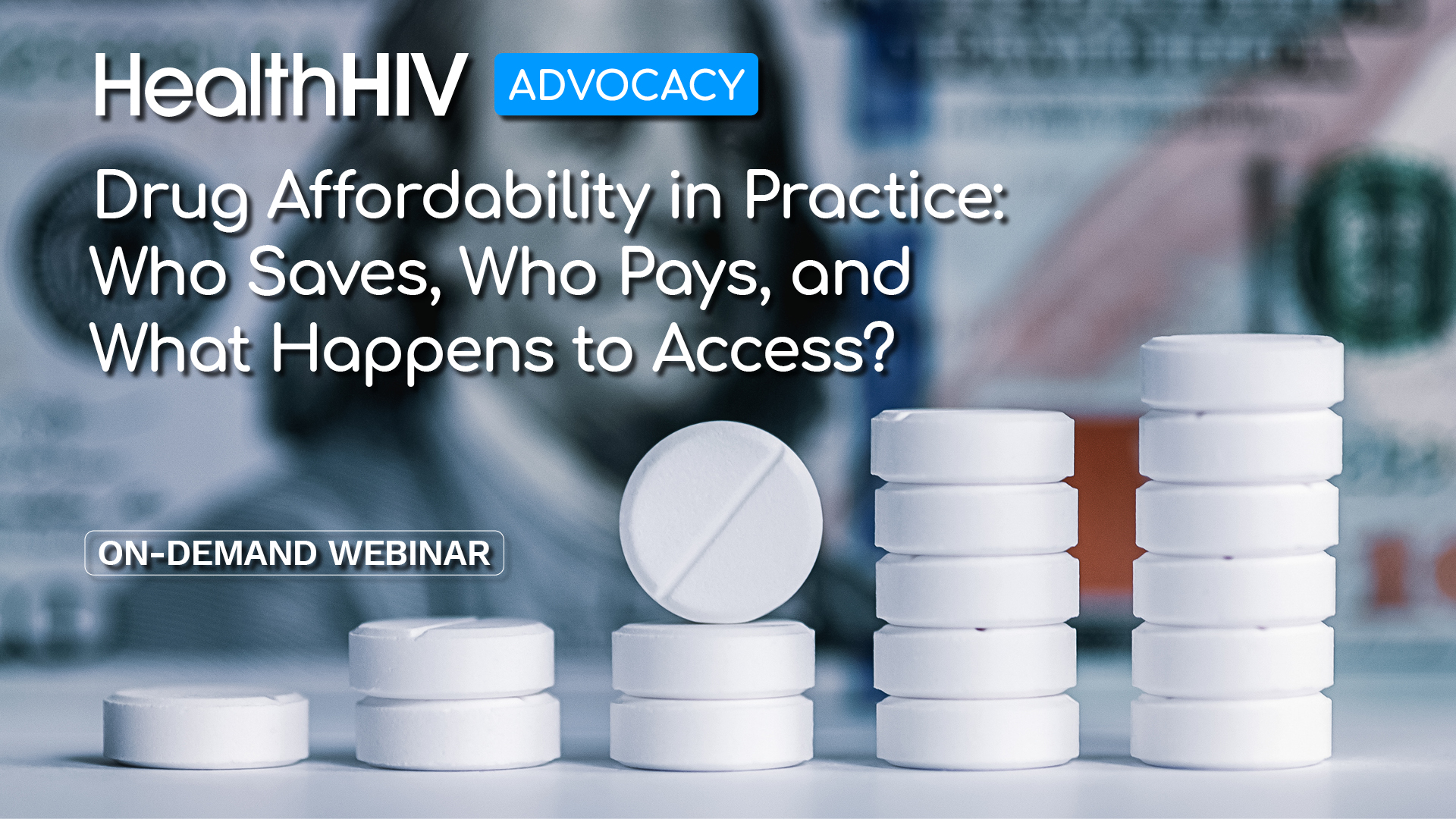
Drug Affordability in Practice: Who Saves, Who Pays, and What Happens to Access?
September 4, 2026Join HealthHIV and its partners—AiArthritis, the Partnership to Improve Patient Care (PIPC), the Partnership for Safe Medicines, and the Rare Access Action Project (RAAP)—for a live webinar that will examine where savings are anticipated to occur, who likely benefits, and how payment decisions can impact: coverage, reimbursement, benefit design, provider and pharmacy practices, patient assistance programs, and out-of-pocket costs.
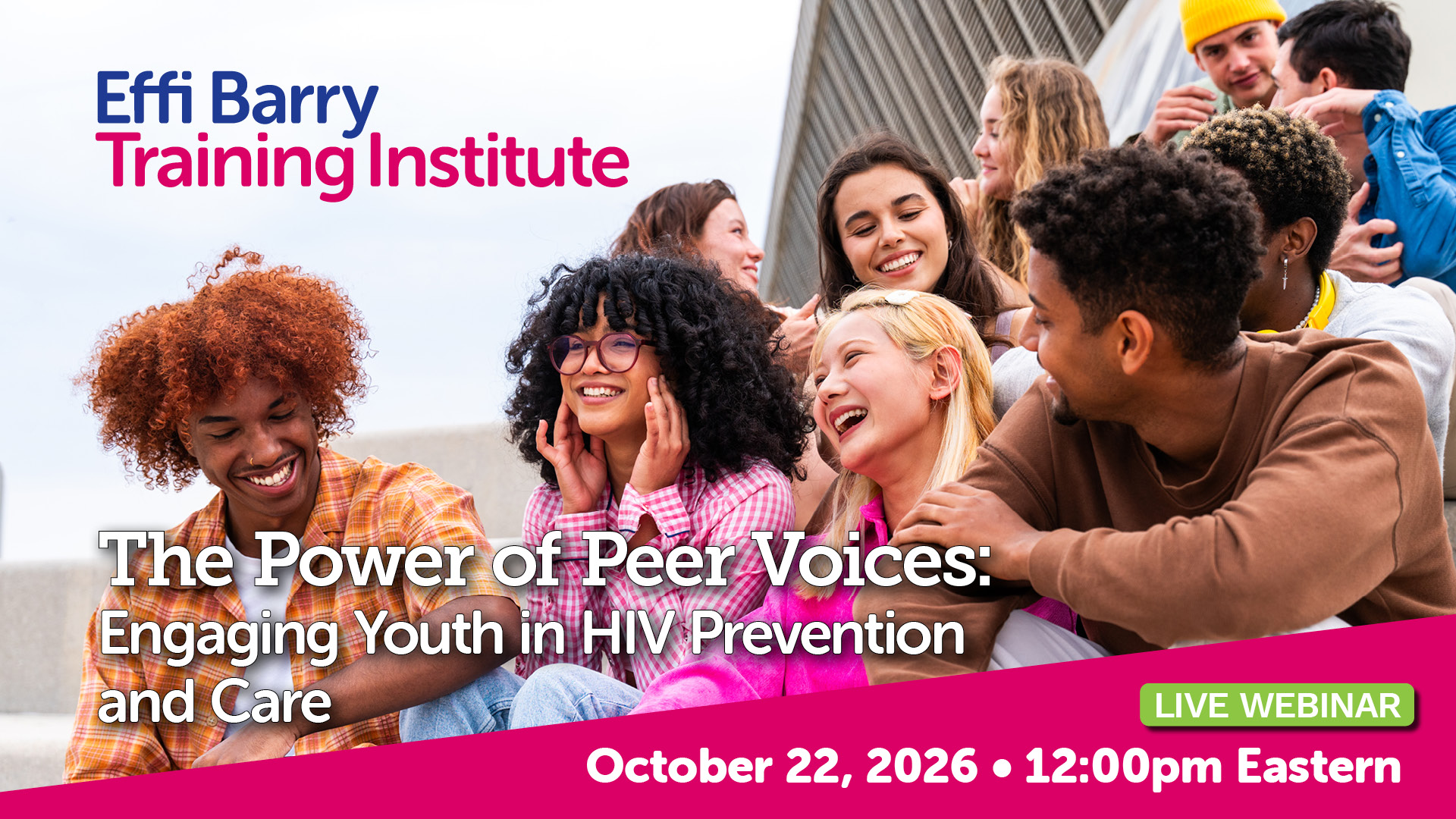
The Power of Peer Voices: Engaging Youth in HIV Prevention and Care
OCTOBER 22, 2026 | 12:00PM EASTERN | This webinar highlights two successful peer-led programs – one serving young men who have sex with men and another engaging Black women. Through presentations and a panel discussion featuring trained peer educators, participants will gain practical strategies for building youth-centered programs that increase engagement, reduce stigma, and improve access to HIV prevention and care for youth aged 15-24.
Care Without Borders: Advancing HIV Services for Newcomer Communities
August 24, 2026This webinar explores strategies to improve access to HIV prevention, care, and supportive services for newcomer communities. It highlights the structural impact while offering practical approaches to build trust, ensure confidentiality, and provide culturally responsive, affirming services.
Motivational Interviewing for Drug User Health Settings
August 20, 2026This interactive skill-building learning collaborative is designed to strengthen participants’ ability to use motivational interviewing (MI) techniques when working with people who use drugs.
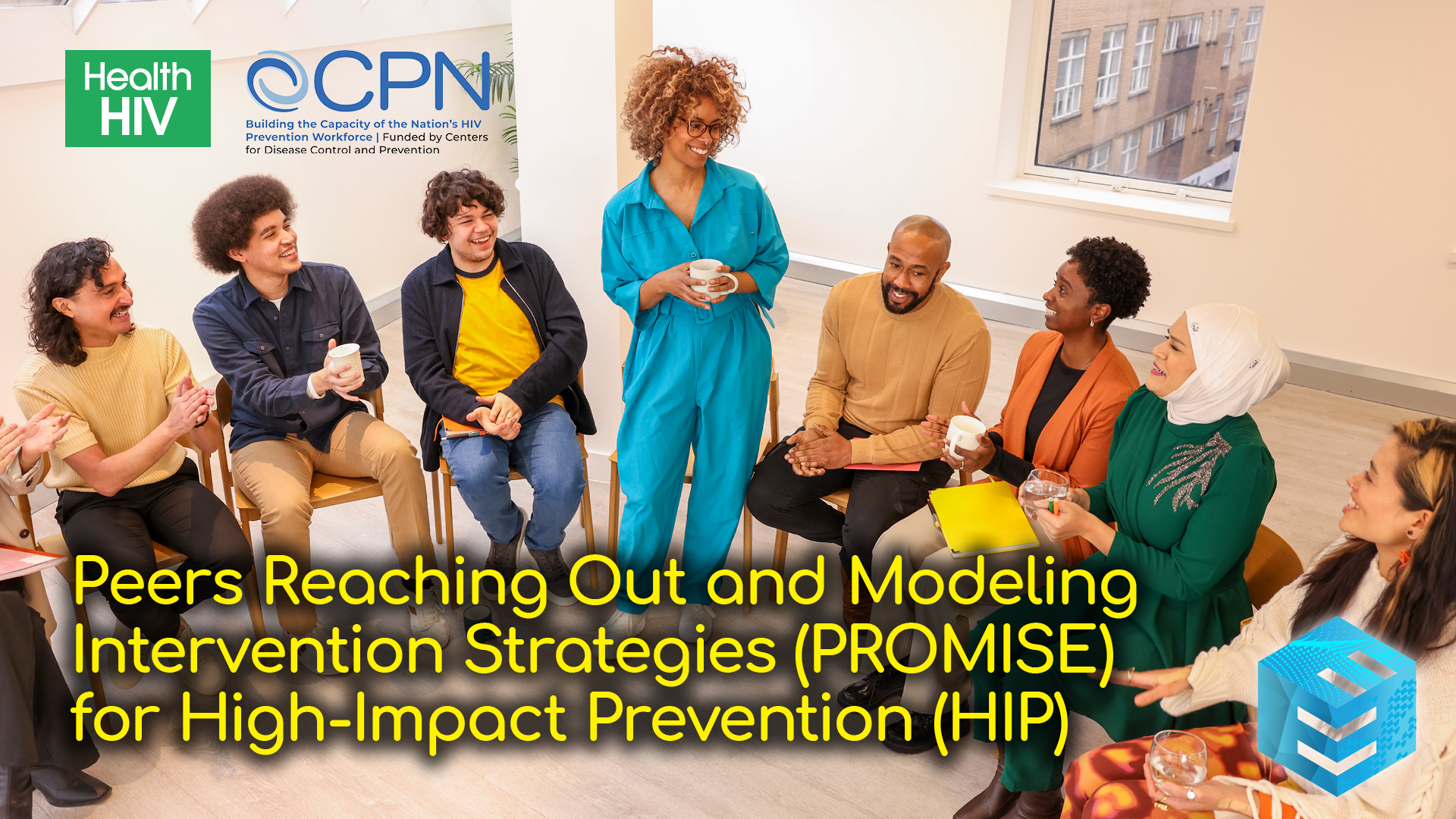
Peers Reaching Out and Modeling Intervention Strategies (PROMISE) for High-Impact Prevention (HIP)
August 1, 2026The Peers Reaching Out and Modeling Intervention Strategies (PROMISE) for High-Impact Prevention (HIP) training course prepares public health professionals and community leaders to implement an effective, peer-led HIV prevention intervention.
Beyond the Charge: Understanding HIV Criminalization
July 22, 2026This webinar examines the current landscape of HIV criminalization, including how laws are applied and their impact on individuals and communities. It explores the intersections of stigma and the legal system, while highlighting disparities in enforcement and outcomes.