
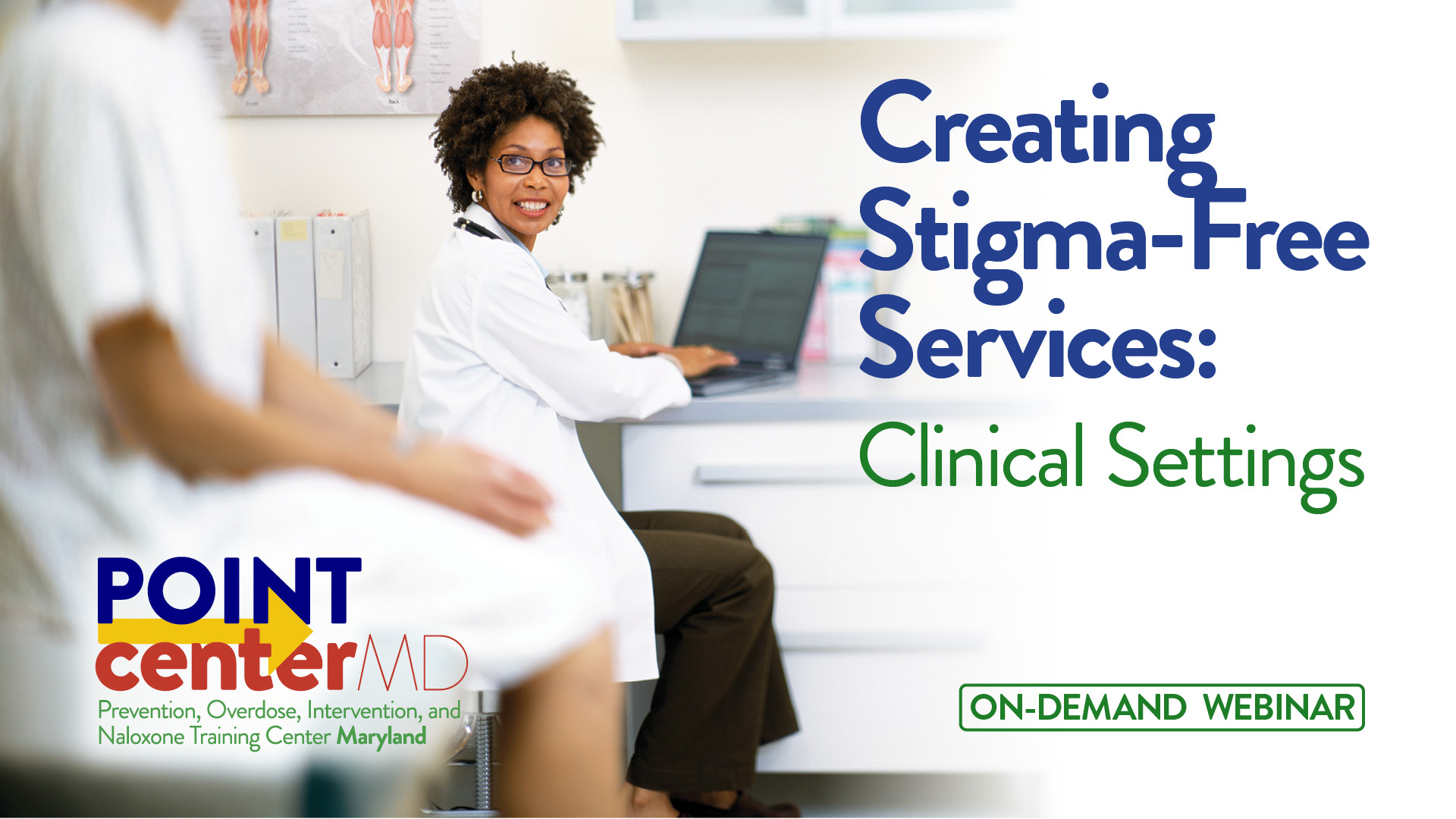
Creating Stigma-Free Services: Clinical Settings
April 23, 2026This session focuses on reducing stigma in clinical settings serving people at risk of overdose, with an emphasis on improving patient experience, strengthening provider communication, and implementing systems-level changes that enhance engagement, retention in care, and overall health outcomes across Maryland.
Comprehensive, Evidence-Based, Consensus Guidelines for Prescription of Opioids for Chronic Non-Cancer Pain from the American Society of Interventional Pain Physicians (ASIPP)
August 1, 2025This webinar offers a focused overview of the 2023 Clinical Practice Guidelines from the American Society of Interventional Pain Physicians (ASIPP), highlighting evidence-based strategies for prescribing opioids to manage chronic non-cancer pain.
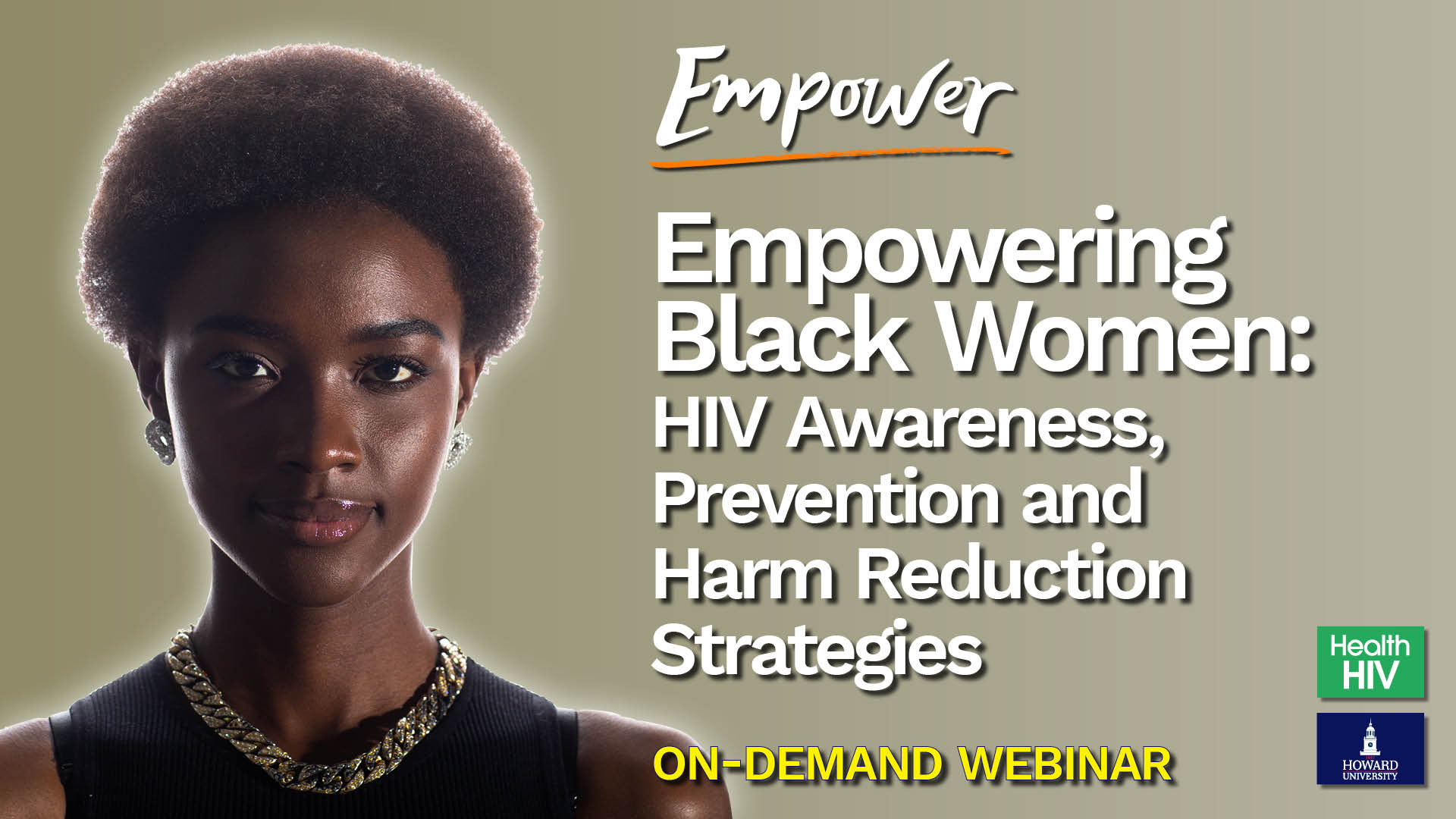
Empowering Black Women: HIV Awareness, Prevention and Harm Reduction Strategies
June 25, 2025This webinar empowers Black women with essential knowledge on HIV prevention, awareness, and harm reduction. Participants will learn about the unique challenges faced by Black women, effective prevention methods, the importance of early detection, and practical strategies to reduce HIV risk.
Collaborating with CBOs to Enhance Harm Reduction Initiatives and Close Gaps in Services
May 14, 2025This webinar will explore how community-based organizations can strengthen harm reduction efforts by working together to create a seamless network of support. By identifying service gaps and forming strategic partnerships within their immediate region, CBOs can offer a more comprehensive, wraparound approach to care—ensuring that individuals have continuous access to essential services like overdose prevention, housing support, healthcare navigation, and peer-led interventions.
Needs of Returning Citizens with Substance Use Disorders
May 9, 2025This module covers the various health and social needs of previously incarcerated individuals with substance use disorders upon returning home to their Washington, D.C. communities.
Integrative Harm Reduction Psychotherapy: The Seven Therapeutic Tasks, Skills and Strategies
Integrative Harm Reduction Psychotherapy consists of seven therapeutic tasks: managing the therapeutic alliance, the therapeutic relationship heals, enhancing self-management, assessment as treatment, embracing ambivalence, harm reduction goal setting and personalized planning for positive change.
CDC Clinical Practice Guidelines for Prescribing Opioids for Pain
May 7, 2025This webinar will cover the CDC Clinical Practice Guideline for Prescribing Opioids for Pain, focusing on key recommendations, patient safety strategies, and practical approaches for effective pain management.
Faith in Action: Alternative Harm Reduction Strategies for Youth
April 29, 2025Join us for an insightful and transformative presentation as we explore the intersection of faith, community support, and youth well-being. In this panel discussion, we will examine alternative harm reduction strategies for addressing substance use, mental health challenges, and risky behaviors among young people in our congregational settings.
Transforming Pleasure and Wellness: Party Culture and Harm Reduction
April 1, 2025This panel discussion explores the intersection of pleasure, party culture, and harm reduction. Panelists will share insights on fostering wellness, promoting safety, and addressing substance use in social settings, emphasizing inclusive, judgment-free strategies to support informed and empowered choices.
Grace in Action: Faith-Led Harm Reduction Strategies
This session explores the role of faith communities in advancing harm reduction principles. It highlights compassionate, inclusive approaches rooted in faith-based values to support individuals on their journey toward healing and wellness, fostering trust, dignity, and meaningful engagement within spiritual contexts.
DC Engage 3rd Annual Harm Reduction Conference
June 3, 2024This content was originally presented at the 3rd annual DC Engage Harm Reduction Conference in Washington, DC. Review the content at your own pace.
Public Health Partnerships: Integrating Harm Reduction into Public Health Initiatives
May 7, 2024This webinar will introduce the concept of harm reduction and its critical role in public health initiatives, especially those focused on HIV prevention and care. The faculty will discuss the evolution of HIV services and strategies for integrating innovative harm reduction approaches into these initiatives.