

Training Library

Browse our library of HealthHIV trainings — offered in a variety of formats to a diverse audience of clinicians and allied health professionals.
In support of improving patient care, HealthHIV is jointly accredited by the Accreditation Council for Continuing Medical Education (ACCME), the Accreditation Council for Pharmacy Education (ACPE), and the American Nurses Credentialing Center (ANCC), to provide continuing education for the healthcare team. In addition to CME credit, nursing continuing professional development (NCPD) contact hours, continuing pharmacy education (CPE) contact hours, and IPCE credit, HealthHIV is able to offer ASWB credit for social workers, AAPA credit for Physician Associates and APA credit for psychologists through Joint Accreditation. HealthHIV also is accredited by the National Commission for Health Education Credentialing to award CHES®/MCHES® continuing education credits for Certified Health Education Specialists.
-
Motivational Interviewing for Drug User Health Settings
August 20, 2026
This interactive skill-building learning collaborative is designed to strengthen participants’ ability to use motivational interviewing (MI) techniques when working with people who use drugs.
-
CREDIT AVAILABLE
Care Without Borders: Advancing HIV Services for Newcomer Communities
August 20, 2026
This webinar explores strategies to improve access to HIV prevention, care, and supportive services for newcomer communities. It highlights the structural impact while offering practical approaches to build trust, ensure confidentiality, and provide culturally responsive, affirming services.
-
CREDIT AVAILABLE
Strategies for Implementing Sexual History Taking into Clinical Practice
August 17, 2026
Strategies for Implementing Sexual History Taking into Clinical Practice is a 60-minute E-Learning module for clinicians and staff who will be introduced to the barriers that commonly impact sexual history taking implementation as well as the strategies for overcoming them to implement it in clinical settings.
-
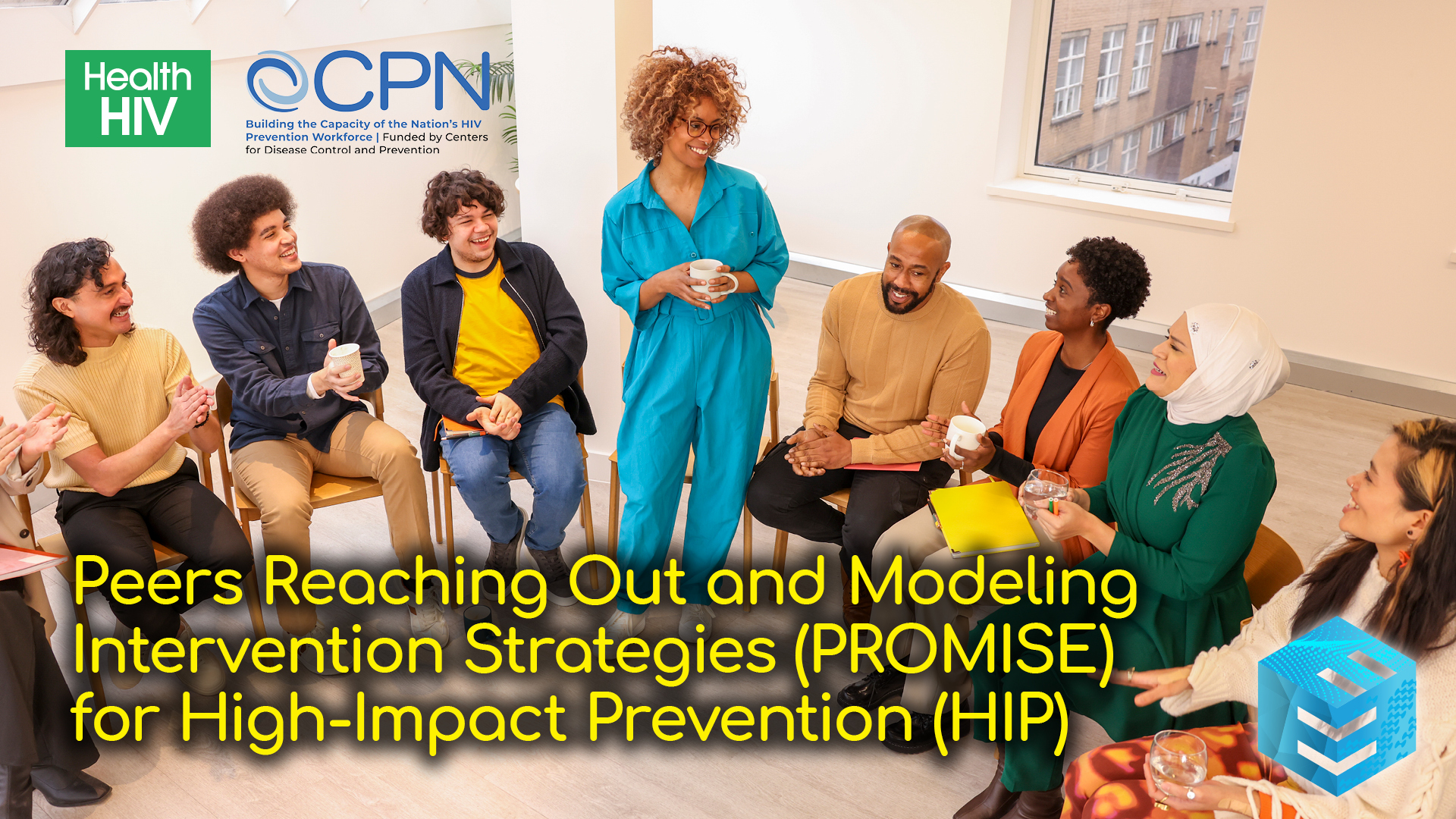
Peers Reaching Out and Modeling Intervention Strategies (PROMISE) for High-Impact Prevention (HIP)
August 1, 2026
The Peers Reaching Out and Modeling Intervention Strategies (PROMISE) for High-Impact Prevention (HIP) training course prepares public health professionals and community leaders to implement an effective, peer-led HIV prevention intervention.
-
Practical De-Escalation and Conflict Resolution Skills
July 23, 2026
This skill building learning collaborative equips healthcare providers, outreach workers, peer navigators, and other frontline staff with practical techniques for de-escalation and conflict resolution when working with people who use drugs.
-
Beyond the Charge: Understanding HIV Criminalization
July 22, 2026
This webinar examines the current landscape of HIV criminalization, including how laws are applied and their impact on individuals and communities. It explores the intersections of stigma and the legal system, while highlighting disparities in enforcement and outcomes.
-
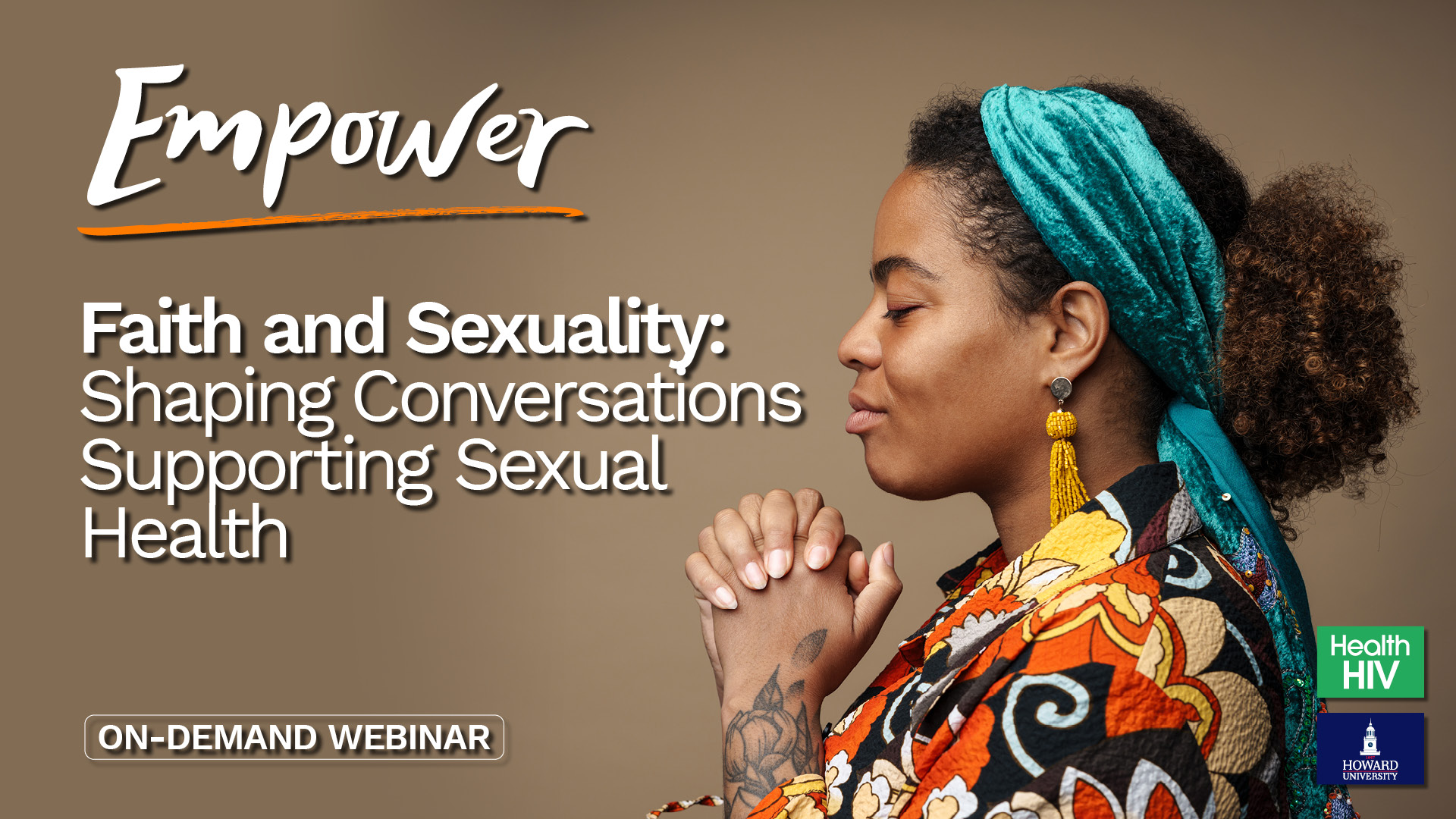
Faith and Sexuality: Shaping Conversations Supporting Sexual Health
July 20, 2026
This webinar explores the intersection of faith, sexual health, relationships, and wellness through a culturally responsive lens. Participants will hear from public health and sexual health professionals and engage in a meaningful discussion about HIV prevention, reproductive health, healthy relationships, and the influence of faith communities on health and well-being. By centering the experiences of Black women, this session aims to promote empowerment, reduce stigma, and encourage open, judgment-free conversations that support holistic wellness.
-
Common and Emerging Adulterants
July 9, 2026
This skill-building learning collaborative provides an overview of common and emerging drug adulterants affecting the current drug supply and their implications for overdose prevention and response, including which overdose related symptoms may respond to naloxone and which may require additional medical intervention.
-
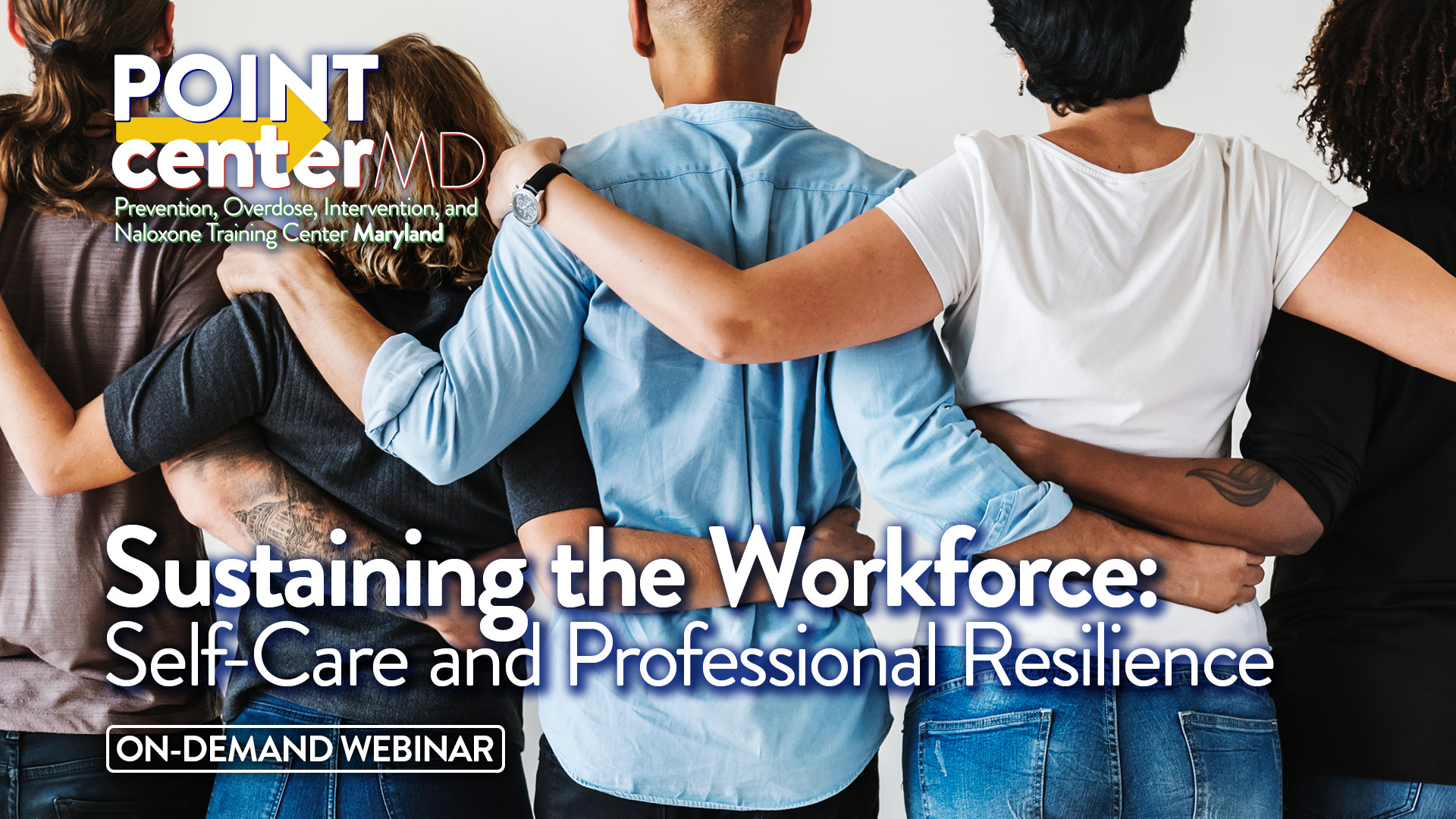
Sustaining the Workforce: Self-Care and Professional Resilience
July 1, 2026
This session addresses burnout, secondary stress, and sustainability for frontline workers. Participants will explore individual and organizational strategies to support long-term wellness and workforce retention.
-
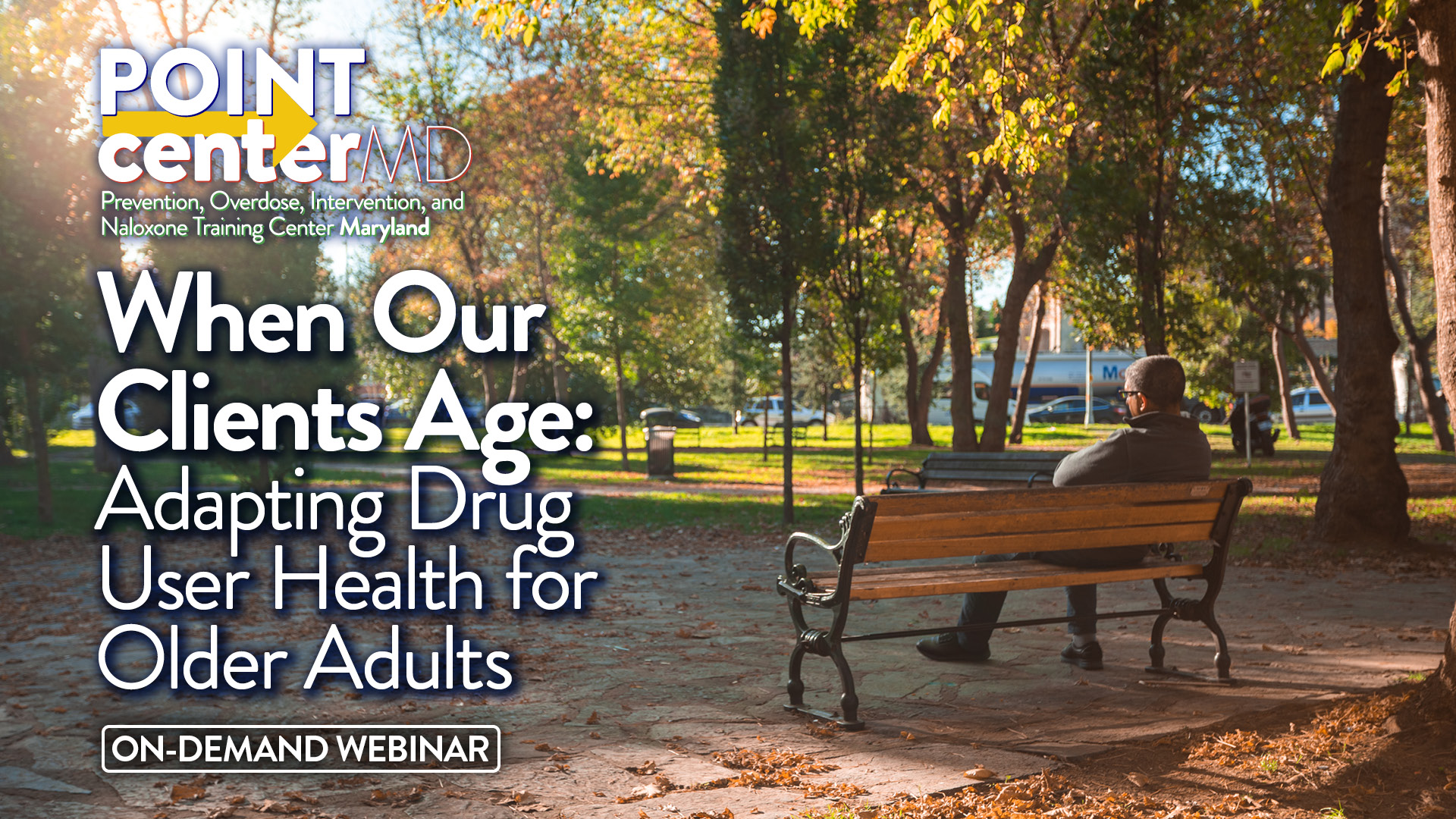
When Our Clients Age: Adapting Drug User Health for Older Adults
July 1, 2026
This webinar will help participants build practical skills for assessing and supporting older clients, including those with long-term substance use histories. Participants will explore how aging changes the way drugs affect the body, why overdose risk increases, and how common signs of substance use may present differently in older adults.
-
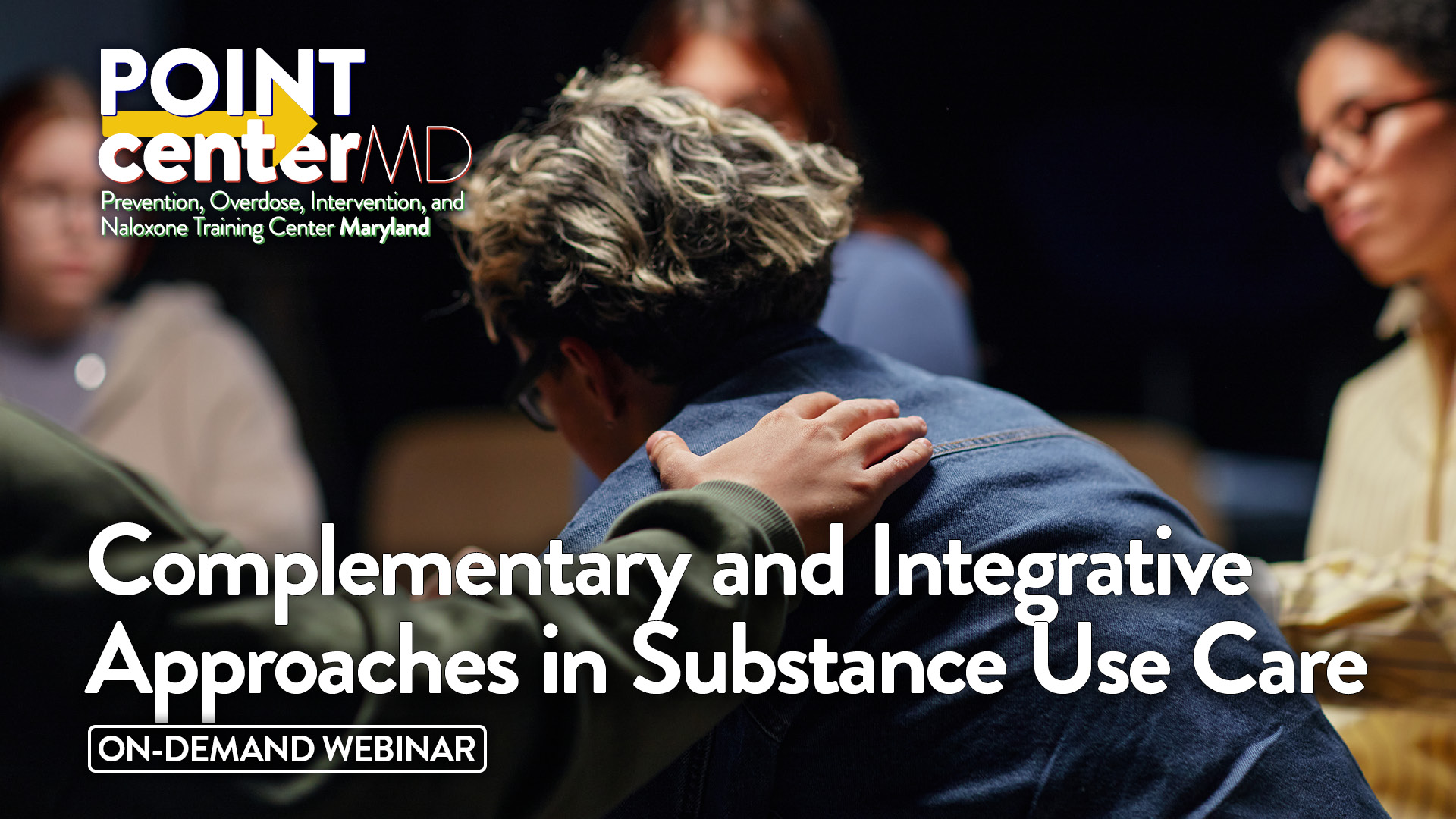
Complementary and Integrative Approaches in Substance Use Care
July 1, 2026
This training introduces complementary and integrative practices that can support individuals navigating substance use, including mindfulness, body-based approaches, and culturally grounded care models.
-
CREDIT AVAILABLE
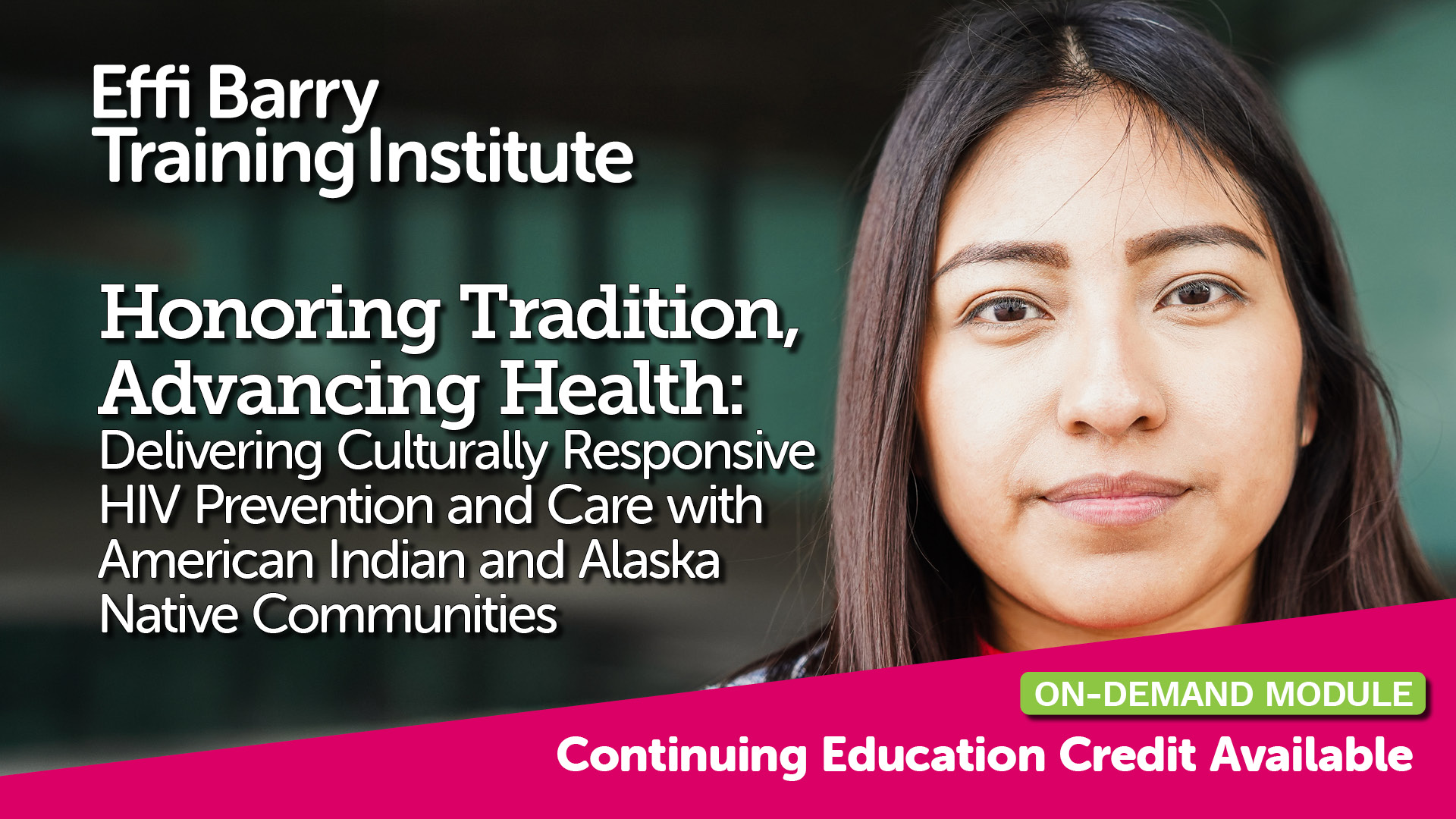
Honoring Traditions, Advancing Health: Delivering Culturally Responsive HIV Prevention and Care with American Indian and Alaska Native Communities
June 29, 2026
This e-learning module explores the intersection of cultural traditions and HIV prevention in Native communities. Learners will gain foundational knowledge of the historical, social, and cultural factors that influence HIV risk and access to care, as well as an overview of disparities impacting Native populations. The module highlights culturally responsive, community-led approaches to prevention, including the integration of traditional practices and the importance of trust-building.