
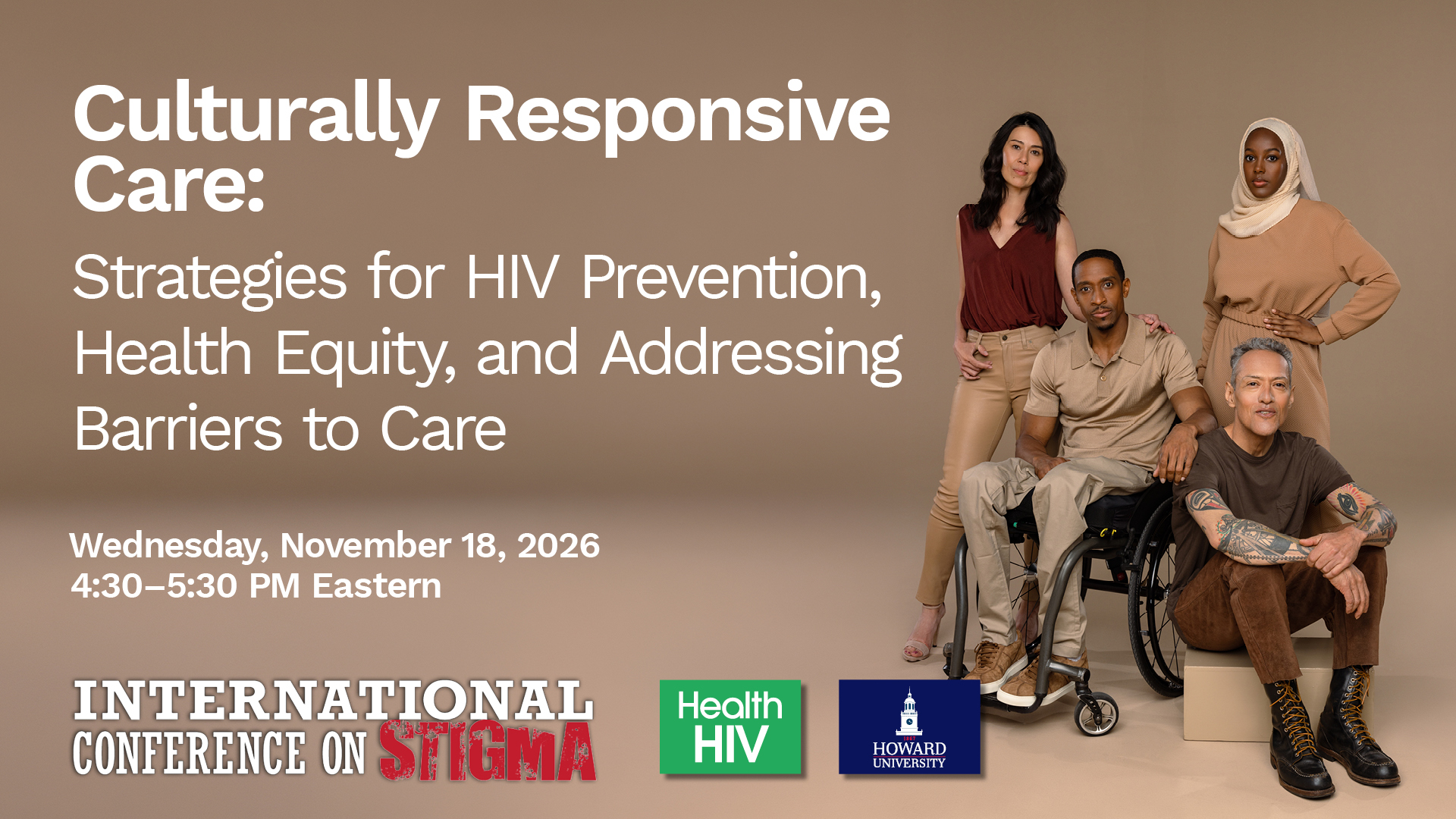
Culturally Responsive Care: Strategies for HIV Prevention, Health Equity, and Addressing Barriers to Care
October 2, 2026NOVEMBER 18, 2026 • This webinar will explore how cultural, social, and structural factors can influence health experiences, access to care, and health outcomes, with a focus on HIV prevention and sexual health. Participants will examine how stigma, communication barriers, social determinants of health, and cultural assumptions can create barriers to HIV prevention, testing, treatment, and other healthcare services.
Care Without Borders: Advancing HIV Services for Newcomer Communities
August 24, 2026This webinar explores strategies to improve access to HIV prevention, care, and supportive services for newcomer communities. It highlights the structural impact while offering practical approaches to build trust, ensure confidentiality, and provide culturally responsive, affirming services.
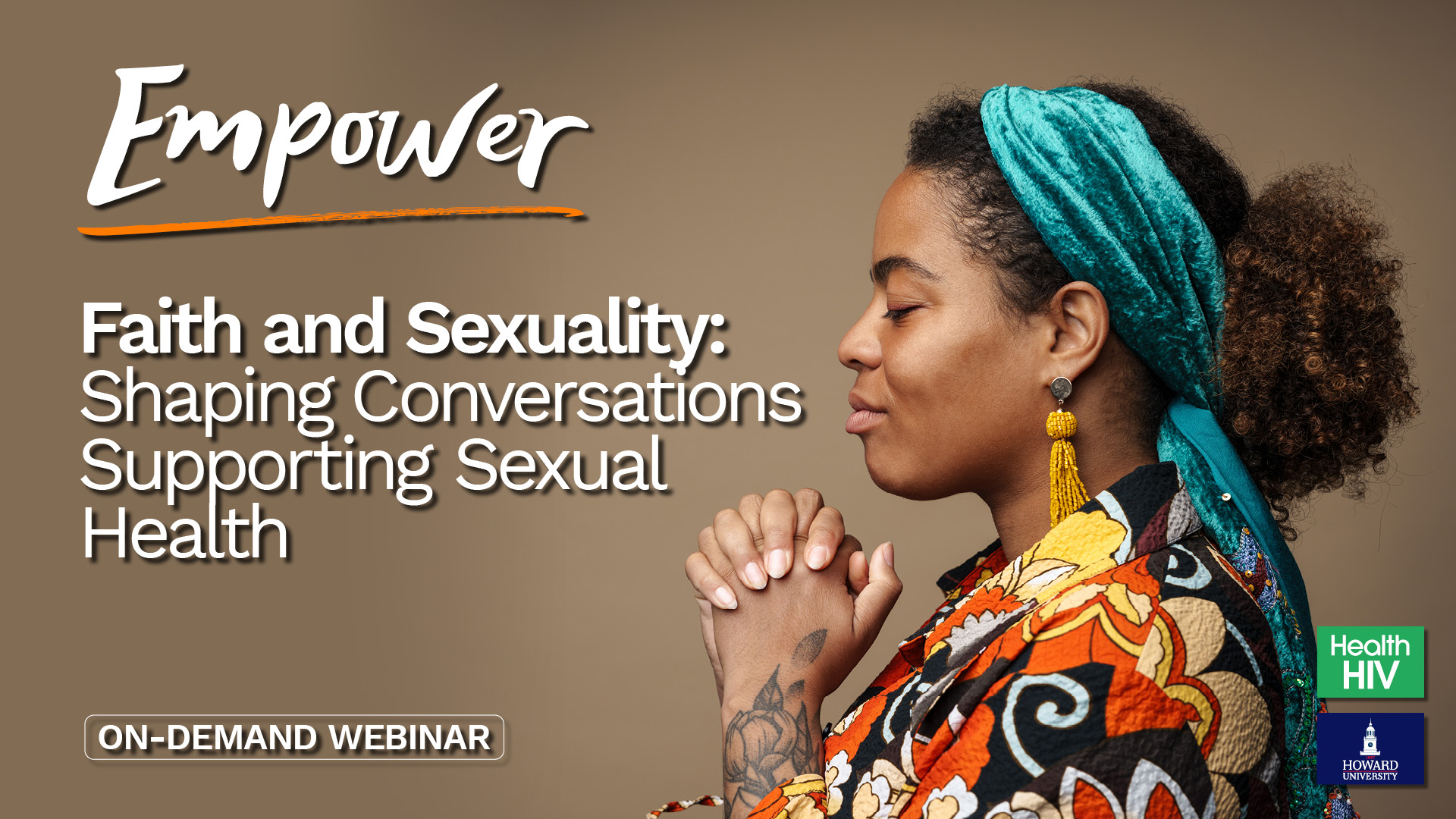
Faith and Sexuality: Shaping Conversations Supporting Sexual Health
July 20, 2026This webinar explores the intersection of faith, sexual health, relationships, and wellness through a culturally responsive lens. Participants will hear from public health and sexual health professionals and engage in a meaningful discussion about HIV prevention, reproductive health, healthy relationships, and the influence of faith communities on health and well-being. By centering the experiences of Black women, this session aims to promote empowerment, reduce stigma, and encourage open, judgment-free conversations that support holistic wellness.
Honoring Traditions, Advancing Health: Delivering Culturally Responsive HIV Prevention and Care with American Indian and Alaska Native Communities
June 29, 2026This e-learning module explores the intersection of cultural traditions and HIV prevention in Native communities. Learners will gain foundational knowledge of the historical, social, and cultural factors that influence HIV risk and access to care, as well as an overview of disparities impacting Native populations. The module highlights culturally responsive, community-led approaches to prevention, including the integration of traditional practices and the importance of trust-building.
Affirming Care for Immigrant Communities: Building Inclusive and Responsive Services
June 3, 2026This session equips participants with tools to create affirming, inclusive services for immigrant communities with a focus on respect, access, and trust across Maryland’s service systems.
Sex Work, Health, and Safety: Building Trust Through Community Engagement
May 28, 2026This webinar will focus on the intersection of sex work, health access, and community safety. Participants will explore trust-building strategies and engagement approaches that support autonomy, reduce stigma, and promote safer service environments.
Real Talk, Real Impact: HIV Prevention and Sex Work
May 8, 2026This webinar explores the intersection of sex work, access to healthcare, and community safety. Participants will learn practical strategies for building trust, engaging respectfully, and supporting autonomy while working to reduce stigma and create safer, more inclusive service environments.
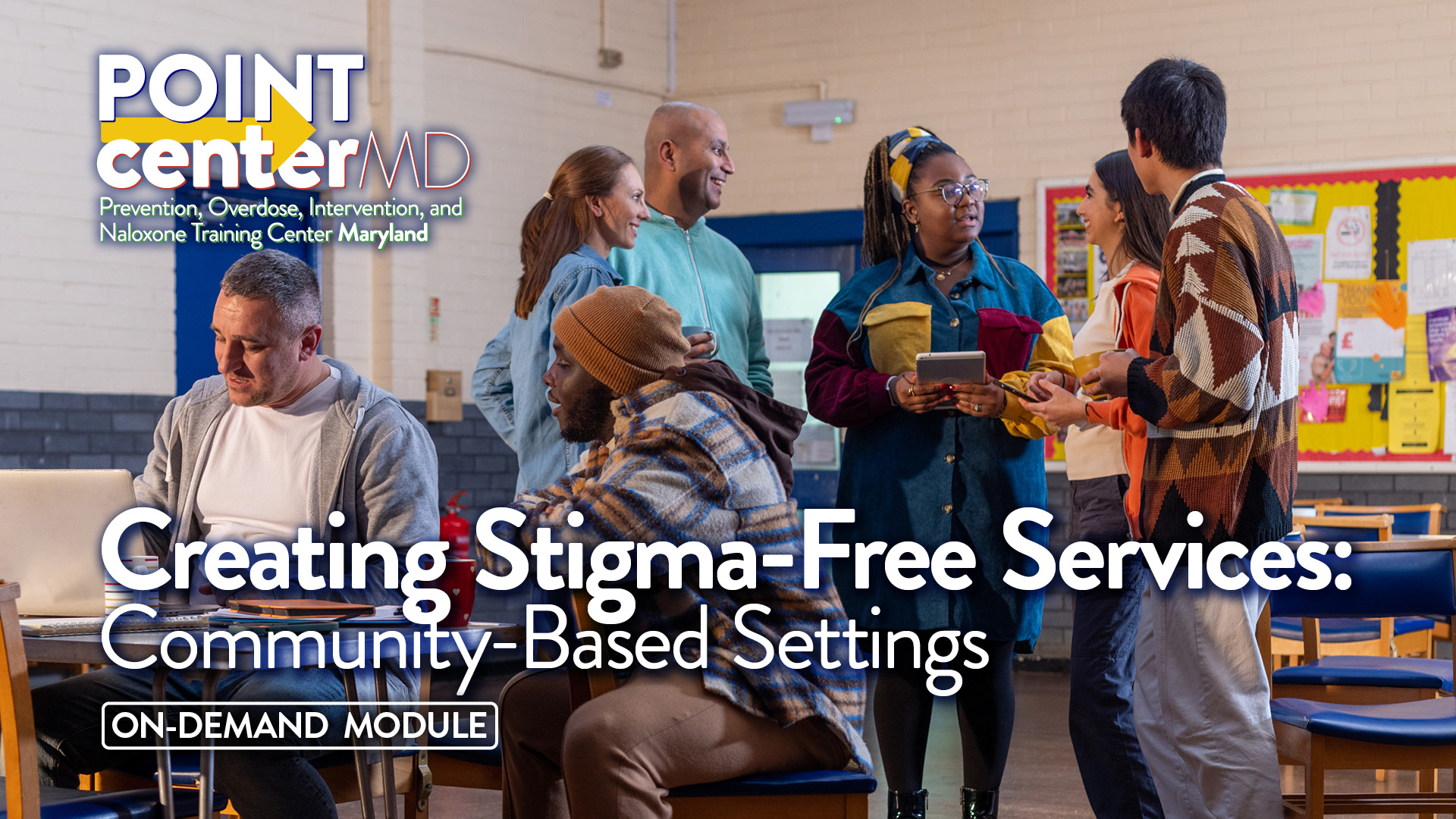
Creating Stigma-Free Services: Community-Based Settings
April 28, 2026Designed for outreach and community-based staff, this training explores how stigma shows up in everyday interactions and offers practical tools to foster welcoming, respectful environments that support engagement and retention.
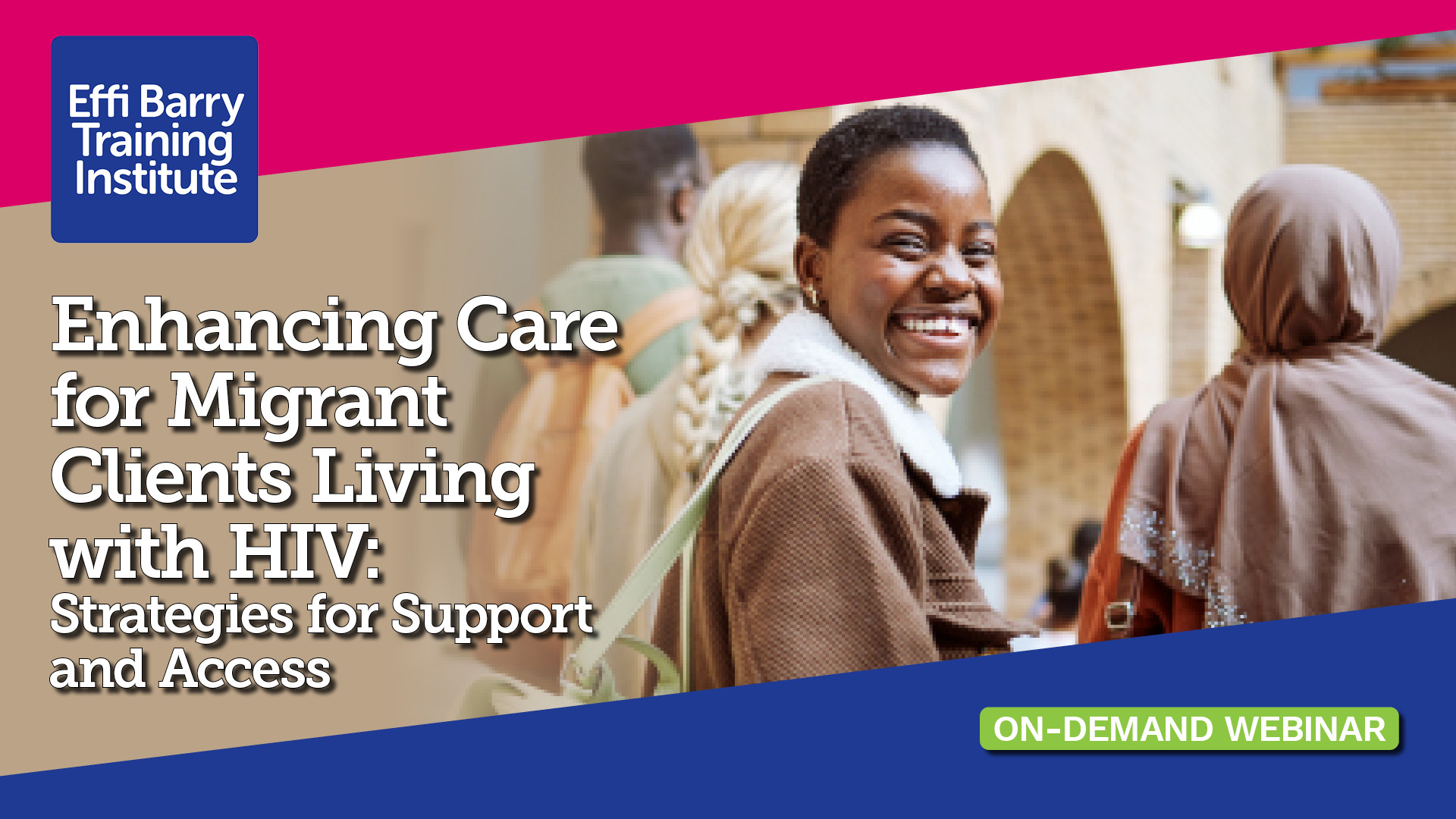
Enhancing Care for Migrant Clients Living with HIV: Strategies for Support and Access
February 11, 2026This webinar will provide practical strategies to strengthen care and access for migrant clients affected by HIV, with a primary focus on African migrant communities.
Needs of Returning Citizens with Substance Use Disorders
May 9, 2025This module covers the various health and social needs of previously incarcerated individuals with substance use disorders upon returning home to their Washington, D.C. communities.
Breaking Barriers: Empowering Black Women and Girls in Health and Wellness
November 19, 2024In this on-demand Virtual Town Hall from the Empower Program, recorded during the International Conference on Stigma, experts provide valuable insights on mental health, reproductive health, sexual health, and access to equitable healthcare services for Black women and girls.
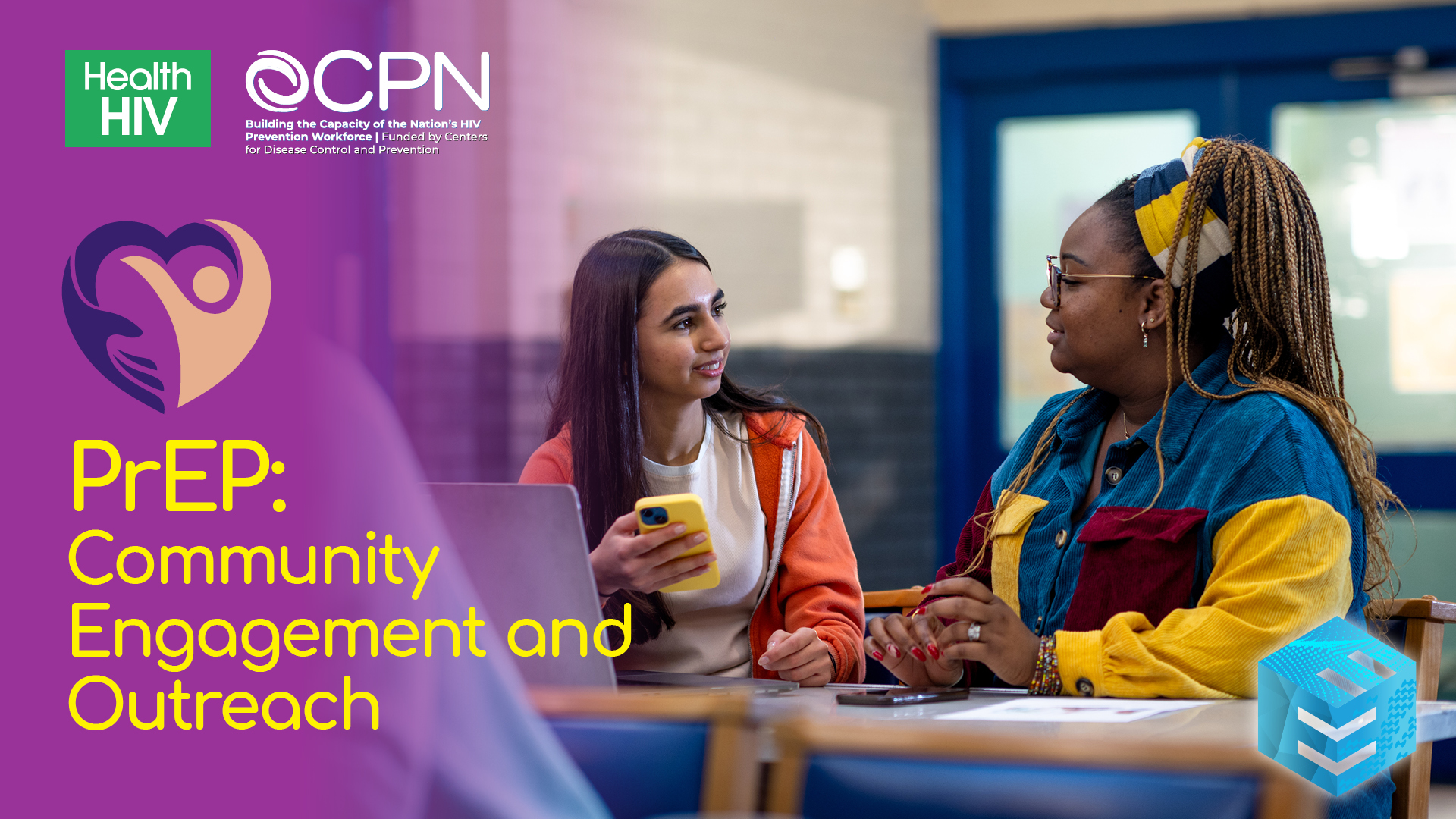
PrEP: Community Engagement and Outreach
April 1, 2024This course prepares participants for beginning their work as PrEP educators and outreach workers as well as serve as a refresher for experienced professionals.