
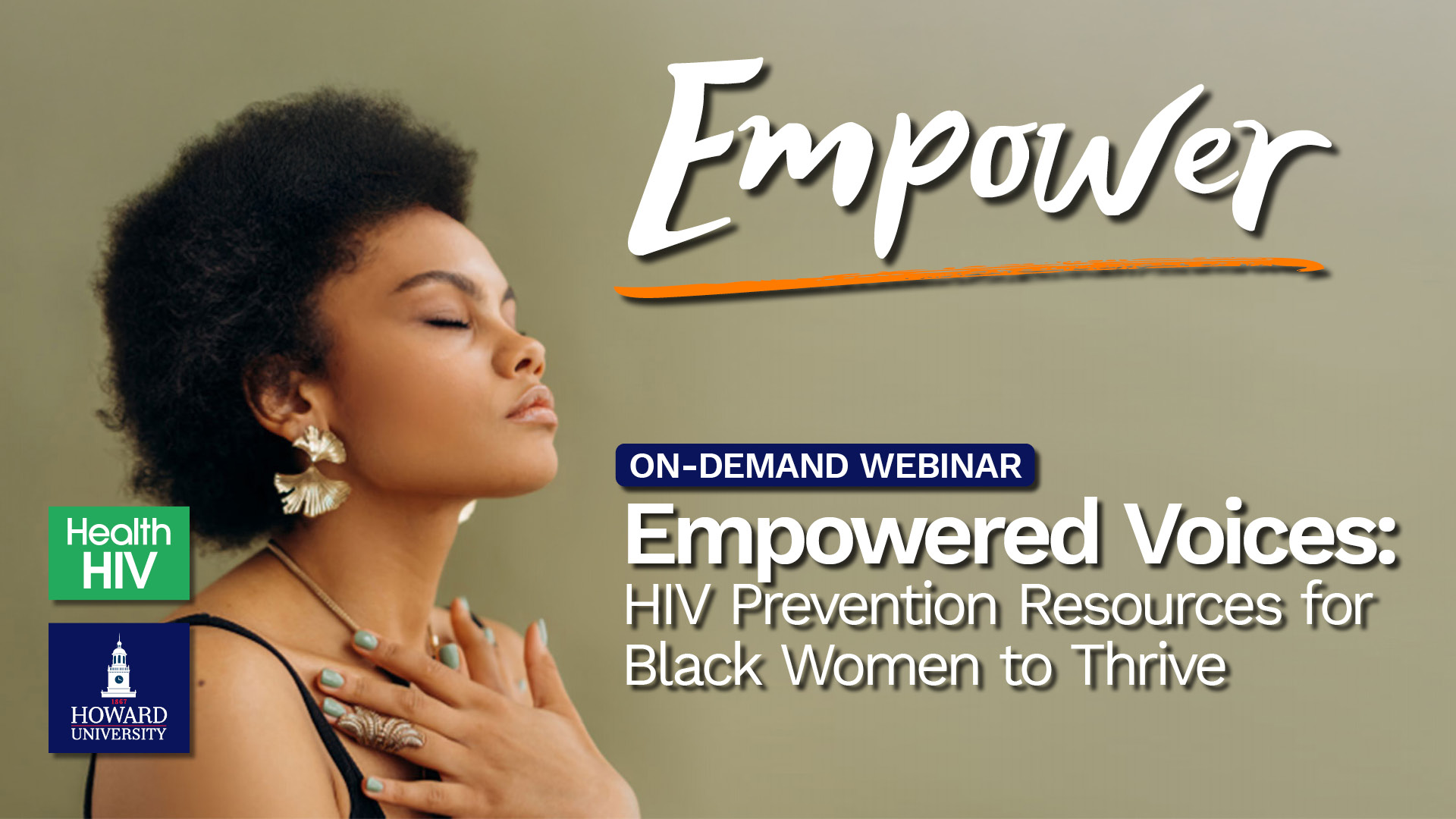
Empowered Voices: HIV Prevention Resources for Black Women to Thrive
March 26, 2025Join us for an informative webinar on insights into Black Women and HIV, where we will share key findings and insights from the Community Survey conducted in September and October 2024 by the Empower Program. This survey highlights the complex factors impacting Black women’s health, including homelessness, domestic violence, medical mistreatment, and insurance gaps—issues that contribute to increased risks and challenges in HIV care and prevention.
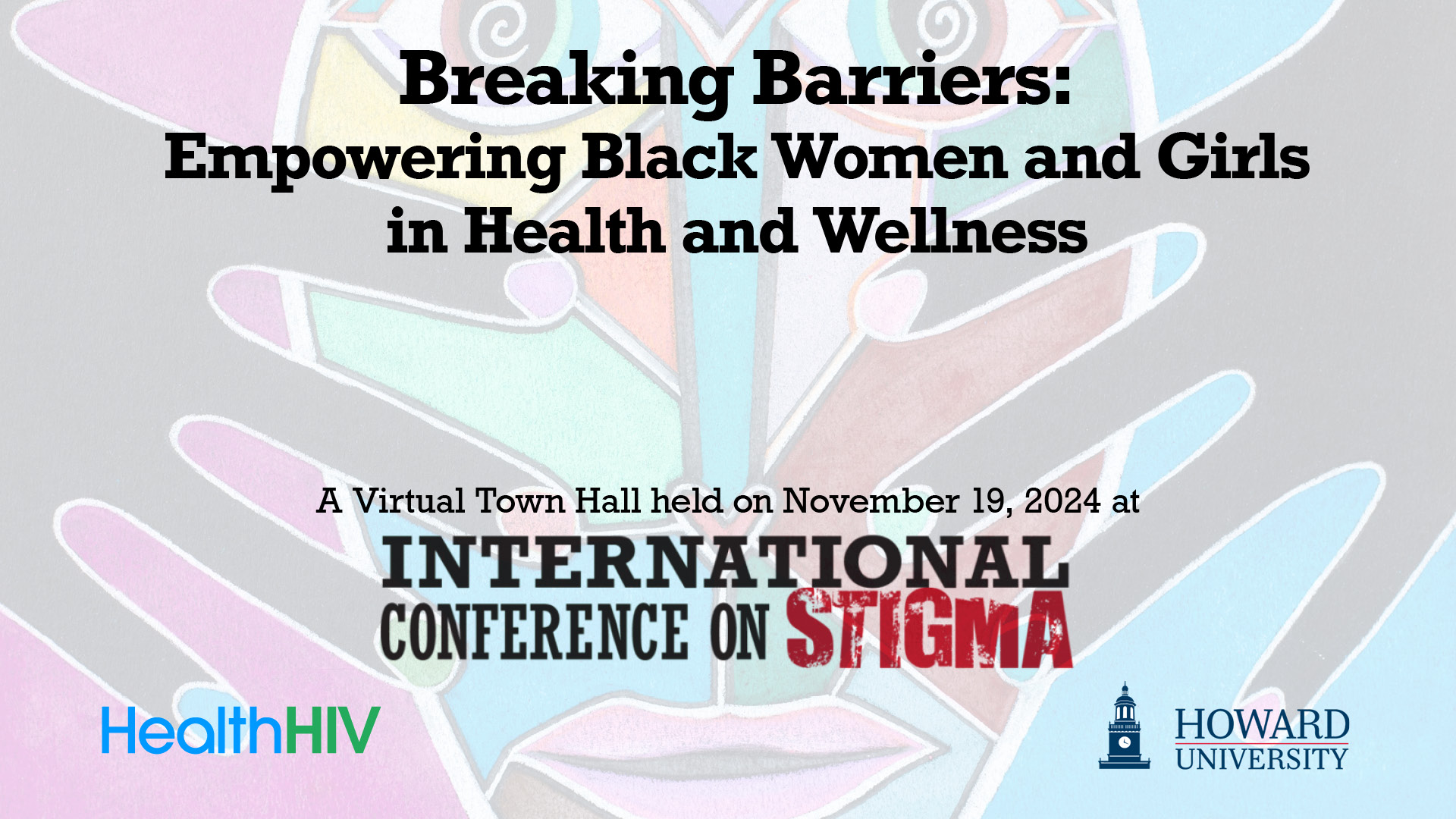
Breaking Barriers: Empowering Black Women and Girls in Health and Wellness
November 19, 2024In this on-demand Virtual Town Hall from the Empower Program, recorded during the International Conference on Stigma, experts provide valuable insights on mental health, reproductive health, sexual health, and access to equitable healthcare services for Black women and girls.
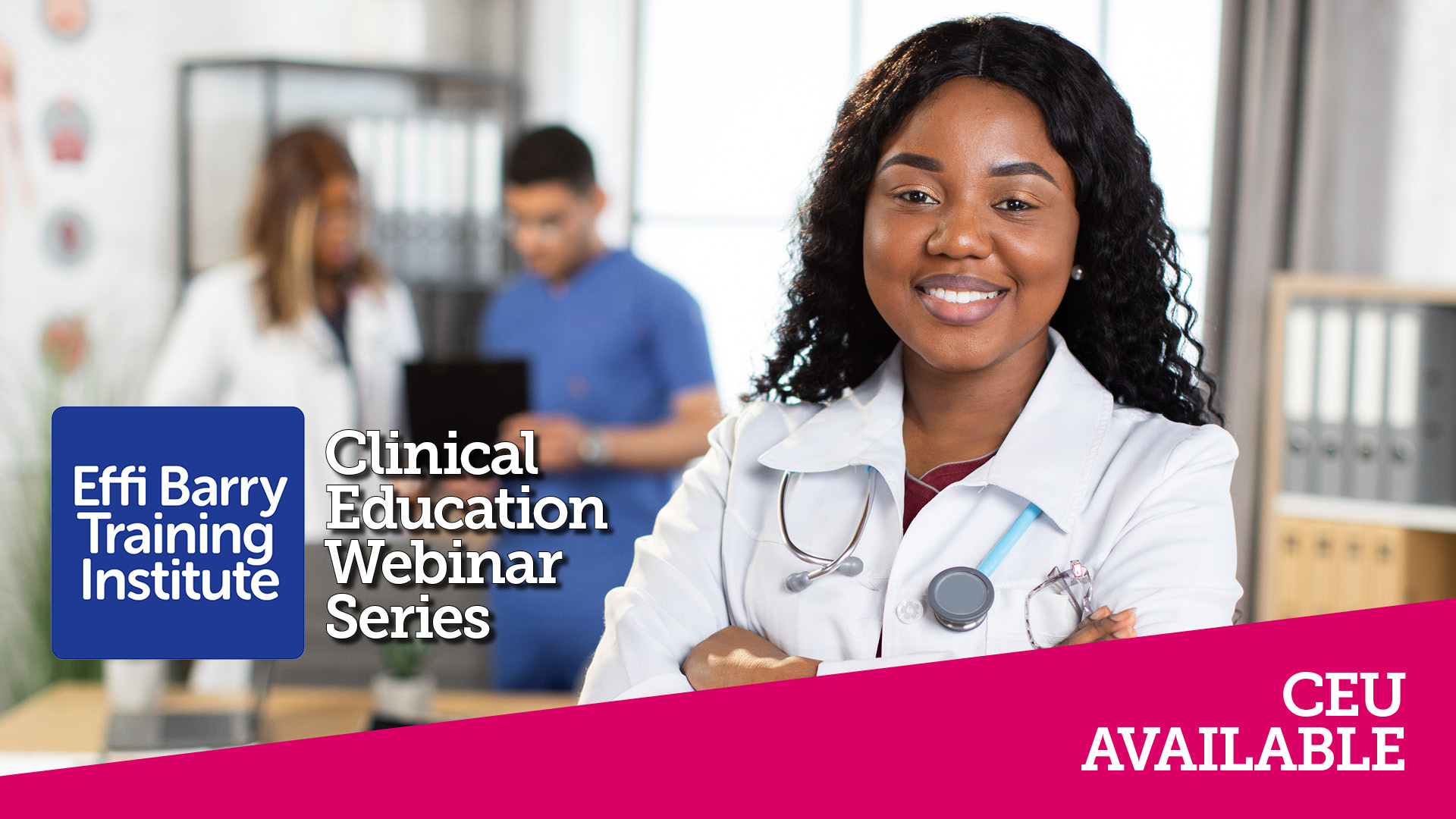
The Heart of the Matter: Cardiovascular Health in People Living with HIV
November 7, 2024This webinar will provide a comprehensive overview of cardiovascular disease (CVD) risk among people living with HIV and the underlying factors contributing to this risk. Participants will learn about current risk prediction tools available for assessing CVD risk in people living with HIV, as well as the findings and implications of the REPRIEVE trial.
Best Practices for Youth: Transition to Care, Cultural Competence & Communication
August 6, 2024This webinar will explore strategies for successfully transitioning youth living with HIV to adult care, highlighting the importance of cultural competency and effective communication to this process.
Adapting HIV Treatment for People with Substance Use Disorder
June 12, 2024In this activity, an expert discusses how to adapt HIV treatment for people with substance use disorders, exploring barriers to management, effective communication strategies, coordinating care with mental health and substance use treatment providers, and guideline recommendations for developing HIV care plans.
Synergy in Care: Embracing and Empowering Community Healthcare Workers
August 4, 2023This webinar explores the role of community health workers (CHWs) in improving health outcomes. The faculty will review strategies for integrating CHWs into clinical teams, effective communication and collaboration with CHWs, and best practices for supervision and training. Participants will also learn about the potential benefits and challenges of integrating CHWs into the clinical workforce.
Guiding People in Their Use of PrEP
May 1, 2023This course assists staff in community-based organizations, health departments, and other public health professions with knowledge and skills related to building awareness and engagement in PrEP and guiding clients to effectively use PrEP over time.
The Effects of the Social Determinants of Health on Intimate Partner Violence
April 25, 2023This self-paced module covers how the effects of various social determinants of health affect both intimate partner violence and the spread of HIV.
Optimizing HIV and HCV Treatment and Prevention Among People Experiencing Homelessness
December 15, 2022On-demand, five-part series provides critical updates on specific recommendations for HIV and HCV treatment and prevention in PEH, including those with opioid use disorder.
Strengthening Strategies that Support PrEP Adherence
November 1, 2022This course helps health department staff and other public health professionals address barriers to adherence, monitor PrEP adherence, and develop partnerships to support adherence. A core part of course content will involve interactive components that help learners develop an action plan tailored to their specific situation.

Fundamentals of Rapid HIV Testing
September 1, 2022This course prepares rapid HIV testing staff to conduct the key steps of rapid HIV testing: setting up a workspace, conducting the rapid HIV test, preparing clients for the test and delivering test results, and conducting quality assurance activities. Participants also have opportunities to reflect on how they can use what they’ve learned and apply it to their current work. Learners may save their reflections for the future as they grow their knowledge in the field.