National Health Education Week
National Health Education Week activities increase awareness of major public health issues and promote a better understanding of the role of health education and health promotion.


National Health Education Week activities increase awareness of major public health issues and promote a better understanding of the role of health education and health promotion.
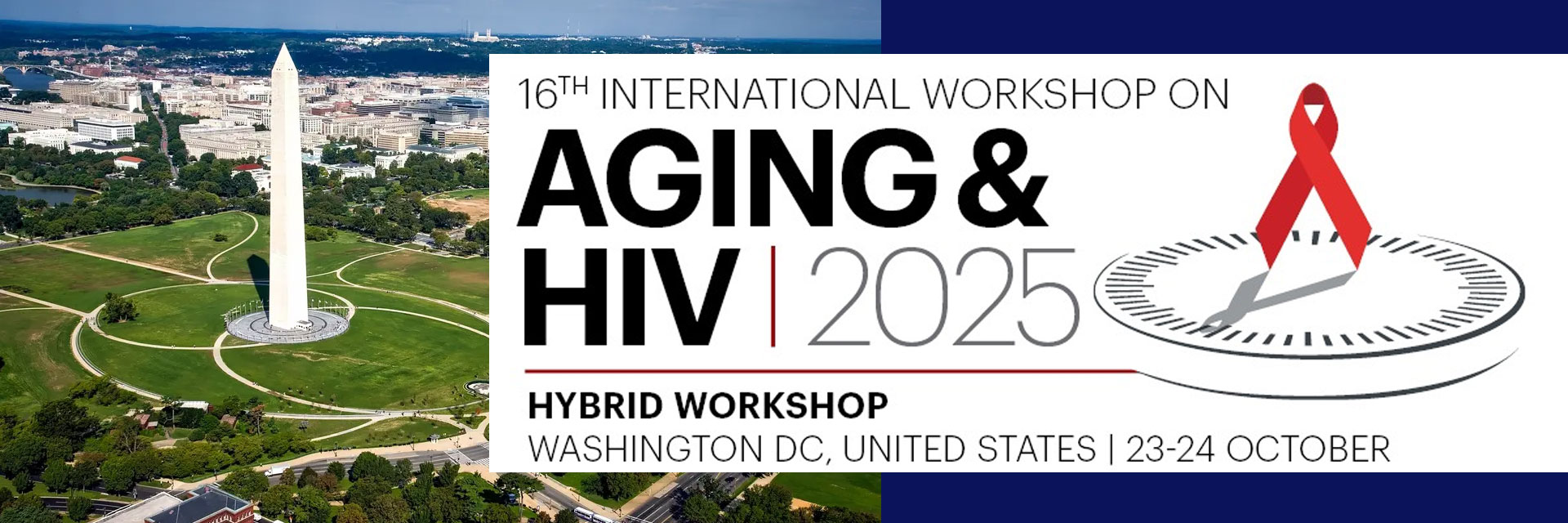
The International Workshop on Aging and HIV remains the only platform worldwide for international, cross-disciplinary scientific exchange on the increasingly recognized difficulties encountered in the clinical care and design of studies to improve the care of persons aging with HIV. The meeting gathers (basic) researchers, healthcare professionals across different disciplines, and community advocates to foster dialogue and prompt solutions that will benefit the aging population living with HIV. In addition, the workshop will also create opportunities for trainees and junior investigators to present their research, network, and learn from experts in the field.
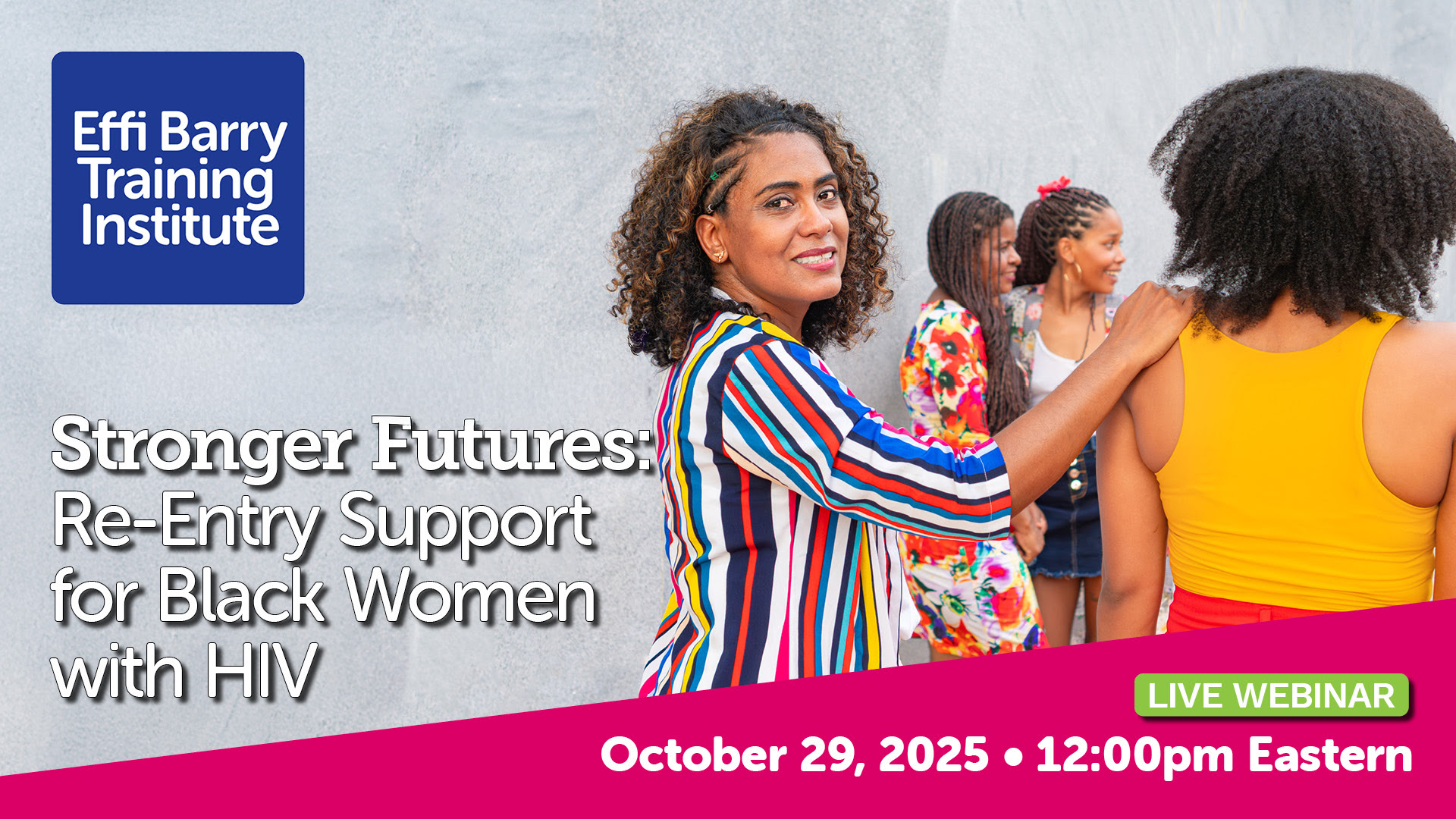
Join us on Wednesday, October 29, 2025, at 12:00pm Eastern for a powerful webinar spotlighting the resilience of Black women living with HIV as they return to their communities after involvement in the justice system. This engaging session will uncover how stigma, systemic inequities, and gaps in care shape health outcomes, while also lifting up real-world strategies that work. Participants will leave inspired with tools and best practices to expand access to care, strengthen support systems, and amplify the voices and experiences of Black women at the center of this conversation.

Learn the basics of Medicare enrollment, plan options, and benefits—so you can make informed choices when turning 65.
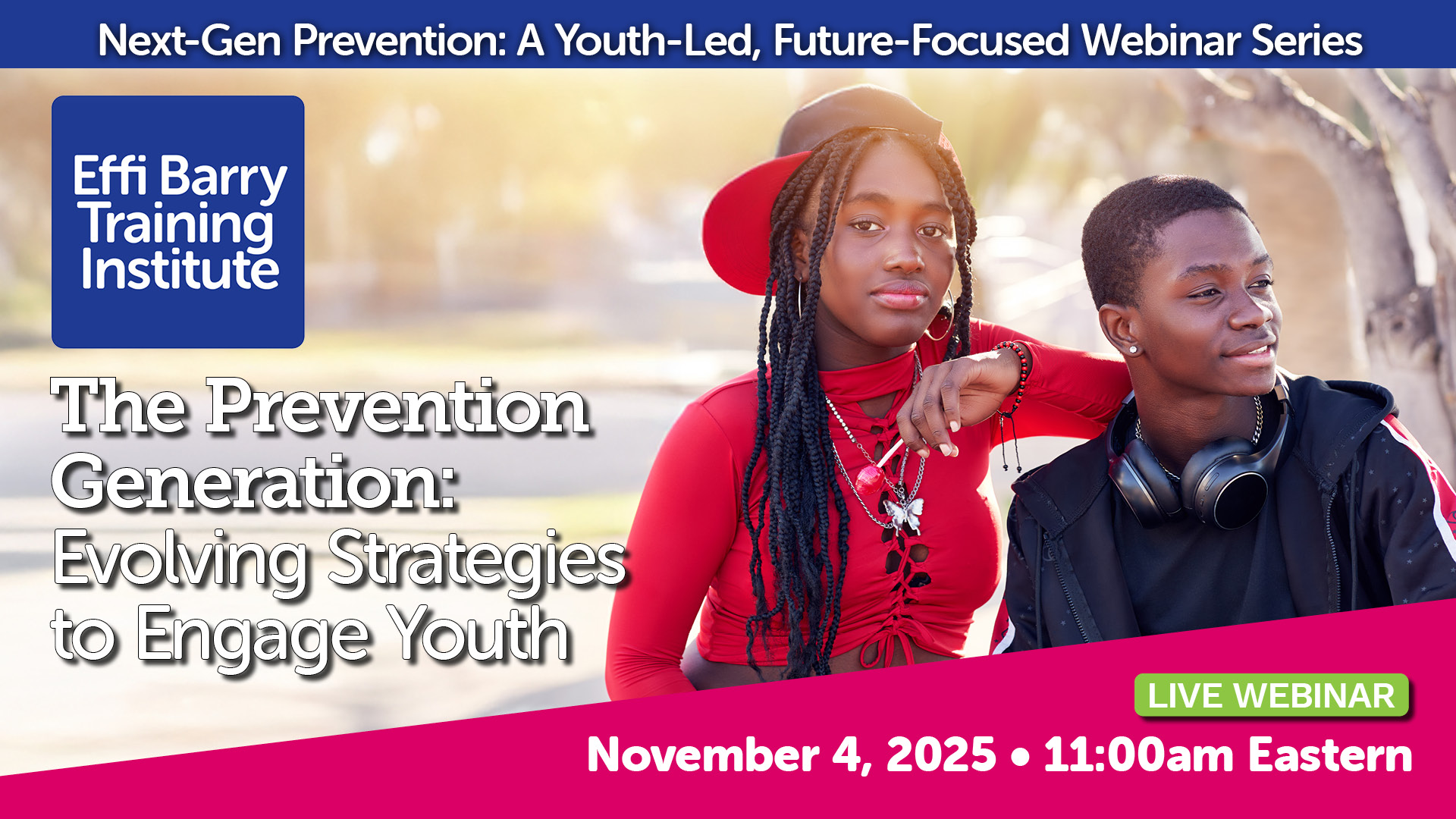
The “The Prevention Generation: Evolving Strategies to Engage Youth” webinar is designed to empower professionals to take an active role in engaging youth in HIV prevention. "The Prevention Generation" will discuss innovative and effective engagement strategies, share real-world experiences from youth-focused professionals, and promote actionable steps to help keep the next generation engaged in reducing the spread of HIV.
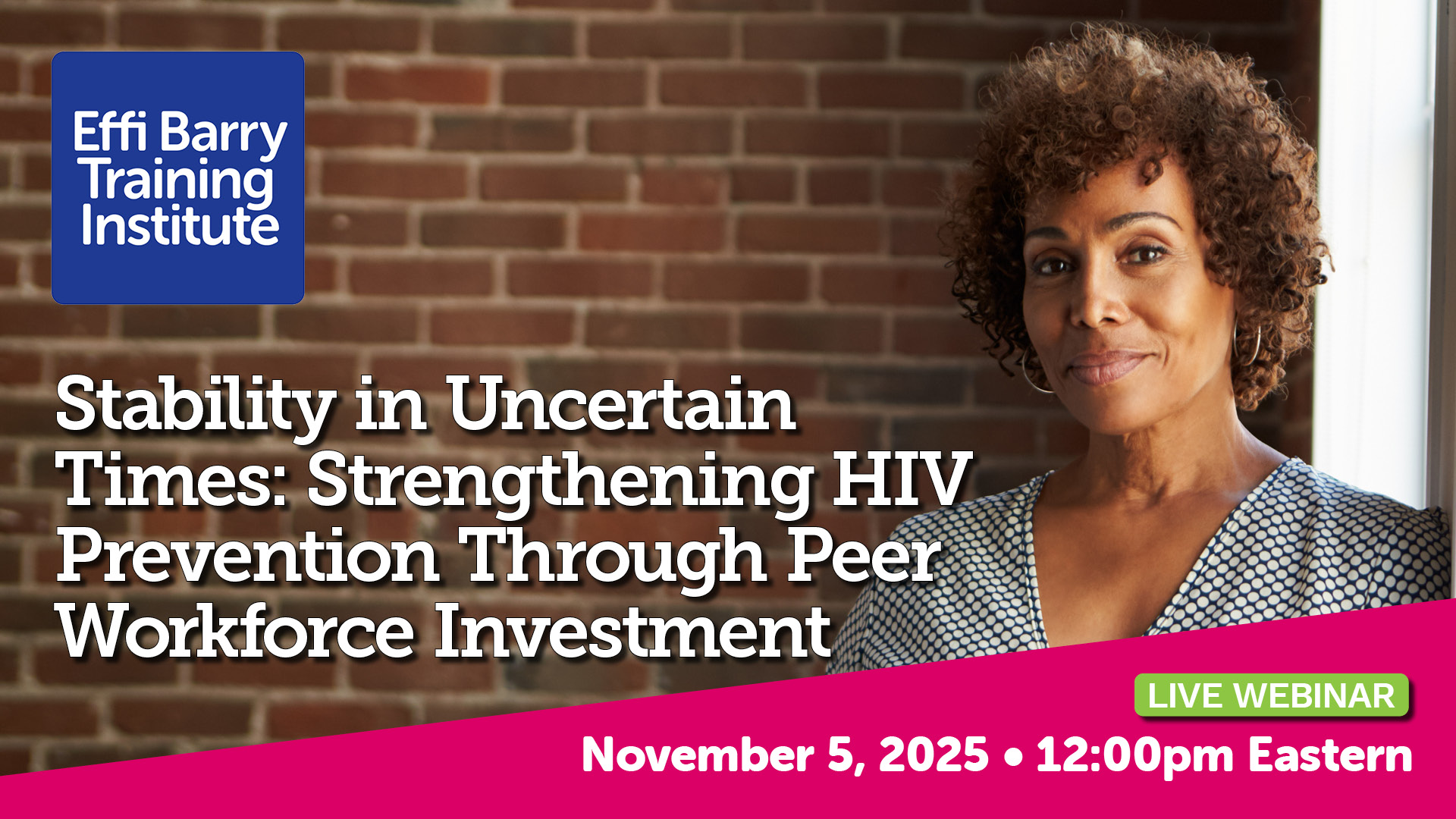
This webinar is designed to guide those in leadership roles within HIV/STI as well as harm reduction focused organizations in Washington, DC to recruit, retain, and develop peers as part of an effective public health prevention workforce.
Learn the basics of Medicare enrollment, plan options, and benefits—so you can make informed choices when turning 65.
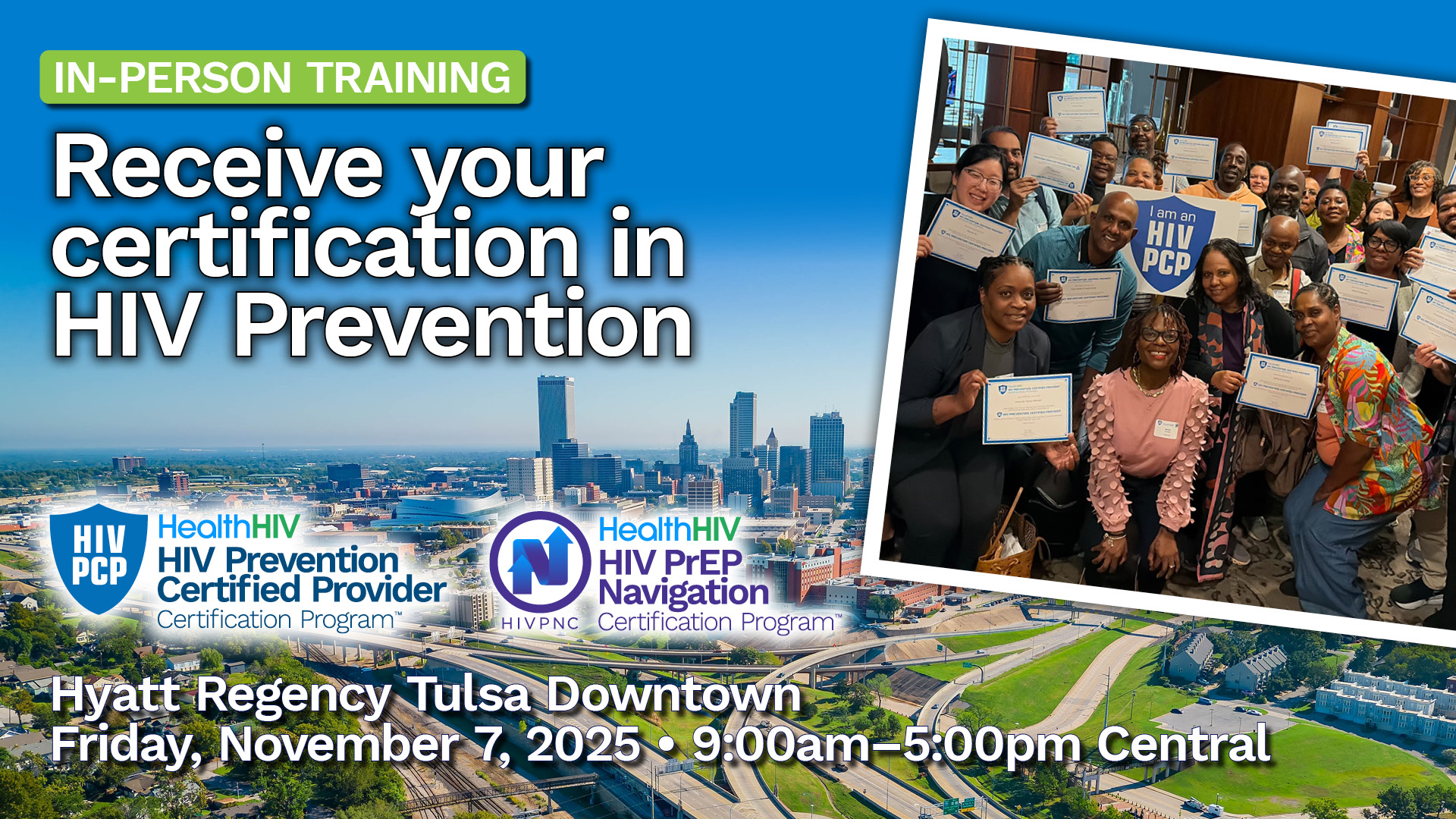
Join us at the Hyatt Regency Tulsa Downtown, where you’ll have the opportunity to earn your free HIV prevention certification! Attend the in-person, interactive training and earn the HIV Prevention Certified Provider™ (HIVPCP) Certification or the HIV PrEP Navigation™ Certification (HIVPNC) on Friday, November 7th.
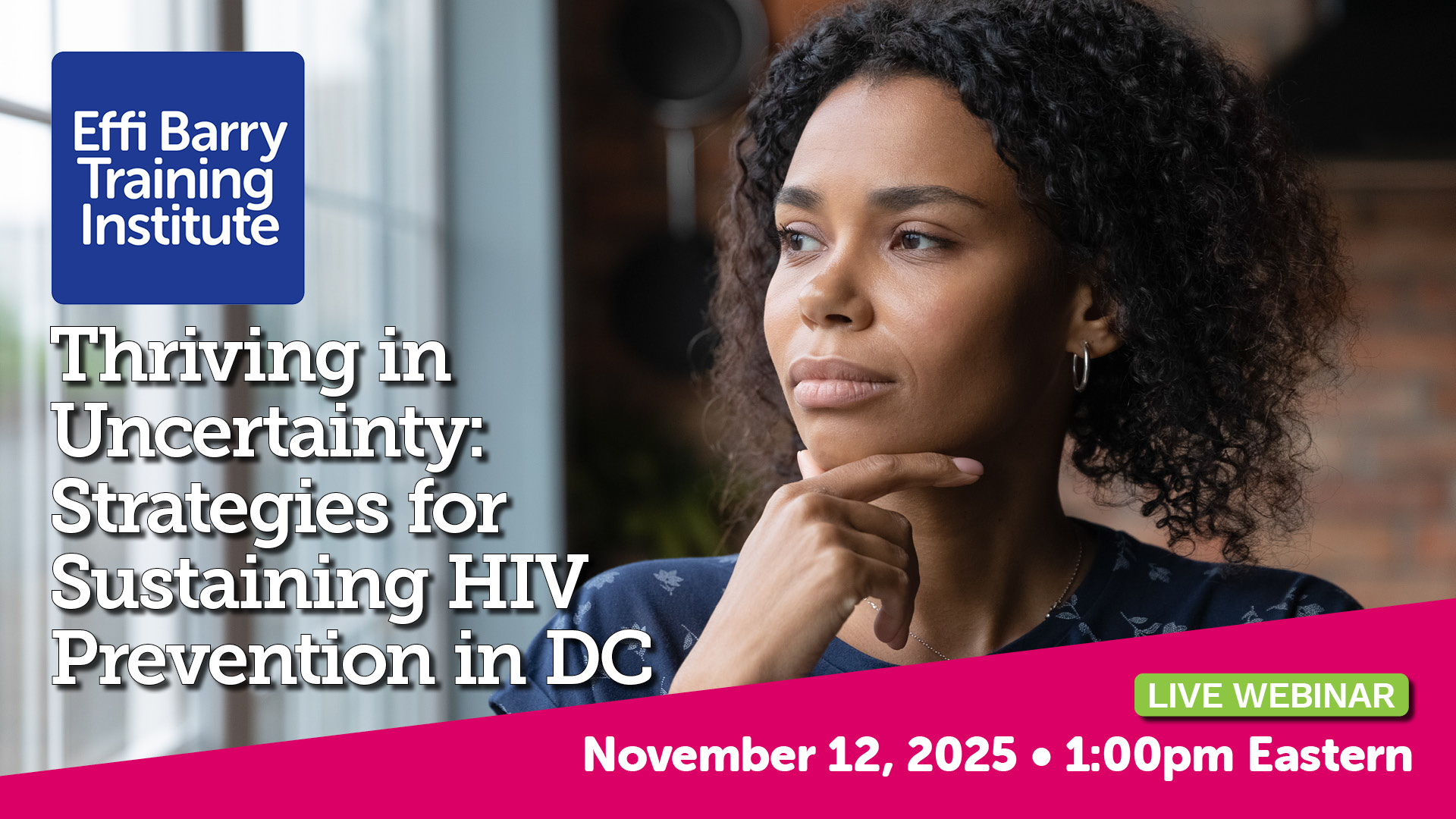
This webinar will provide practical, actionable strategies to help leaders assess their organizations, identify vulnerabilities and opportunities, and chart a path toward sustainability. Participants will also learn innovative approaches to diversifying funding streams and building adaptive, future-ready organizations that can continue driving impact in the DC Community.
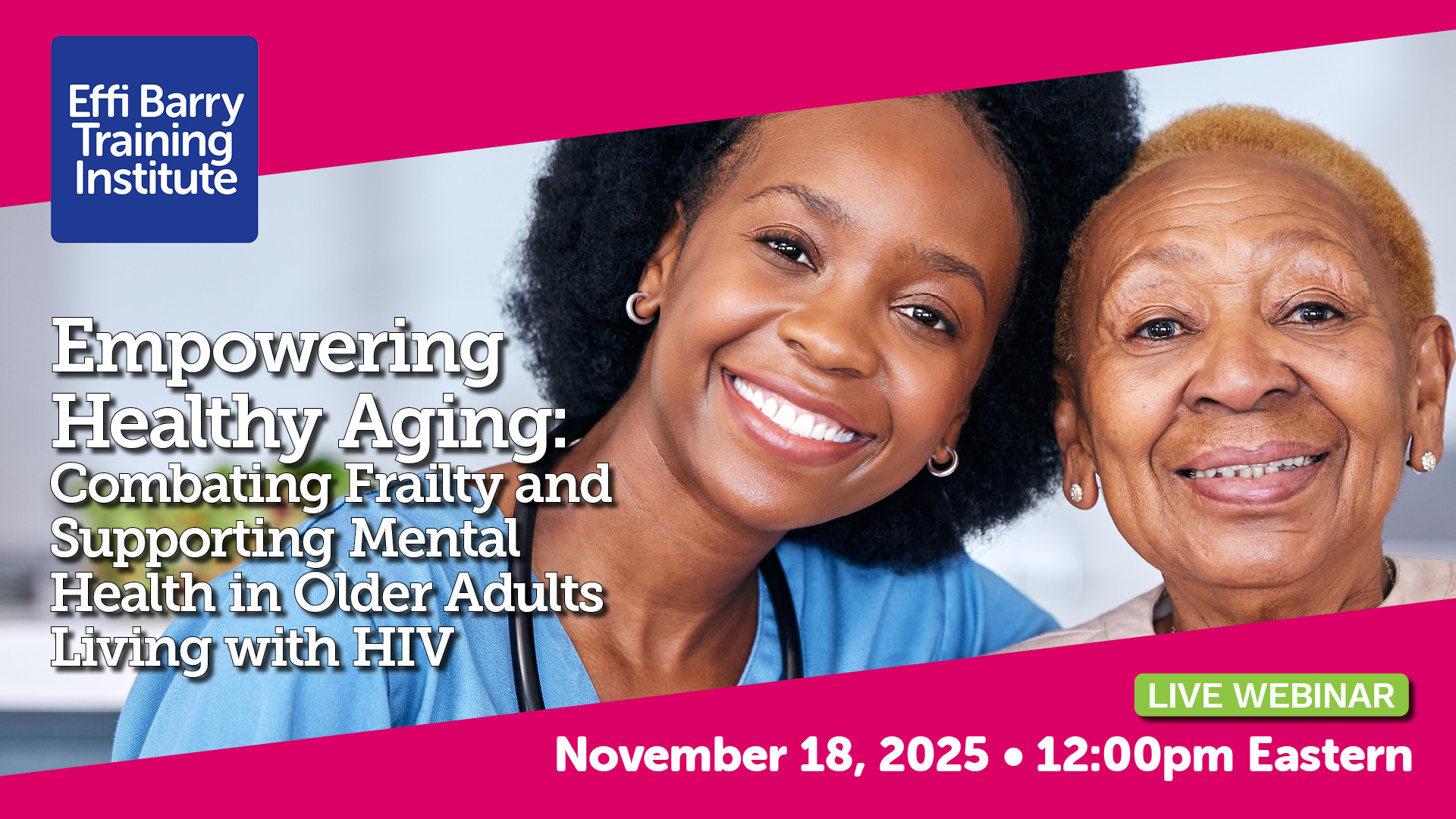
This engaging two hour session will focus on helping older adults living with HIV stay strong in body and mind. Learn how to fight frailty, boost emotional wellness, and build resilience among older adults living with HIV - helping them to not just survive, but truly thrive!
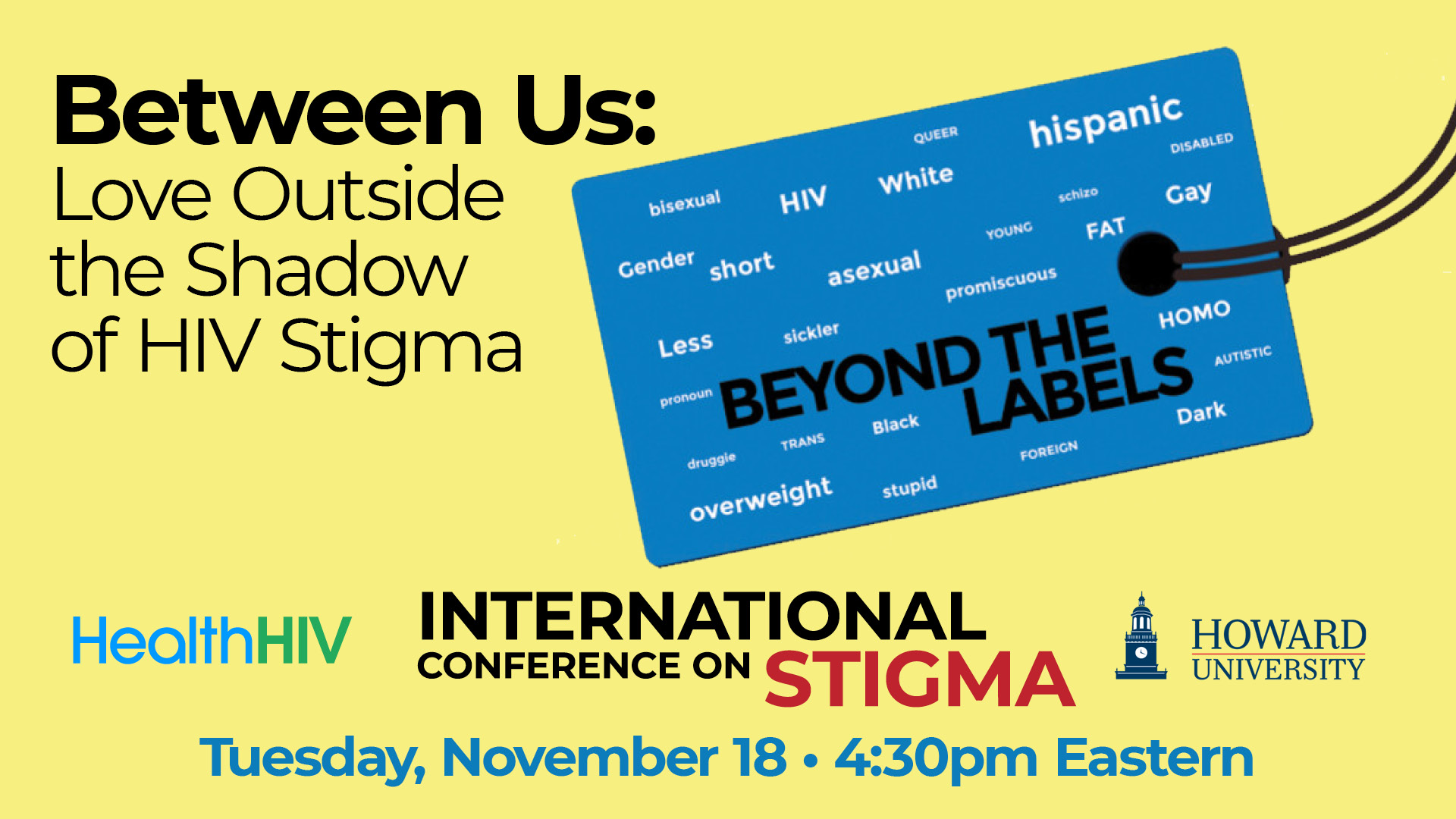
This important conversation shines a light on love that transcends HIV status. Through honest dialogue and powerful lived experiences, we’ll explore the realities of mixed-status relationships—where one partner is living with HIV and the other is not. Together, we’ll address the challenges of navigating stigma, family dynamics, and health, while celebrating the resilience, strength, and triumphs that define these partnerships.
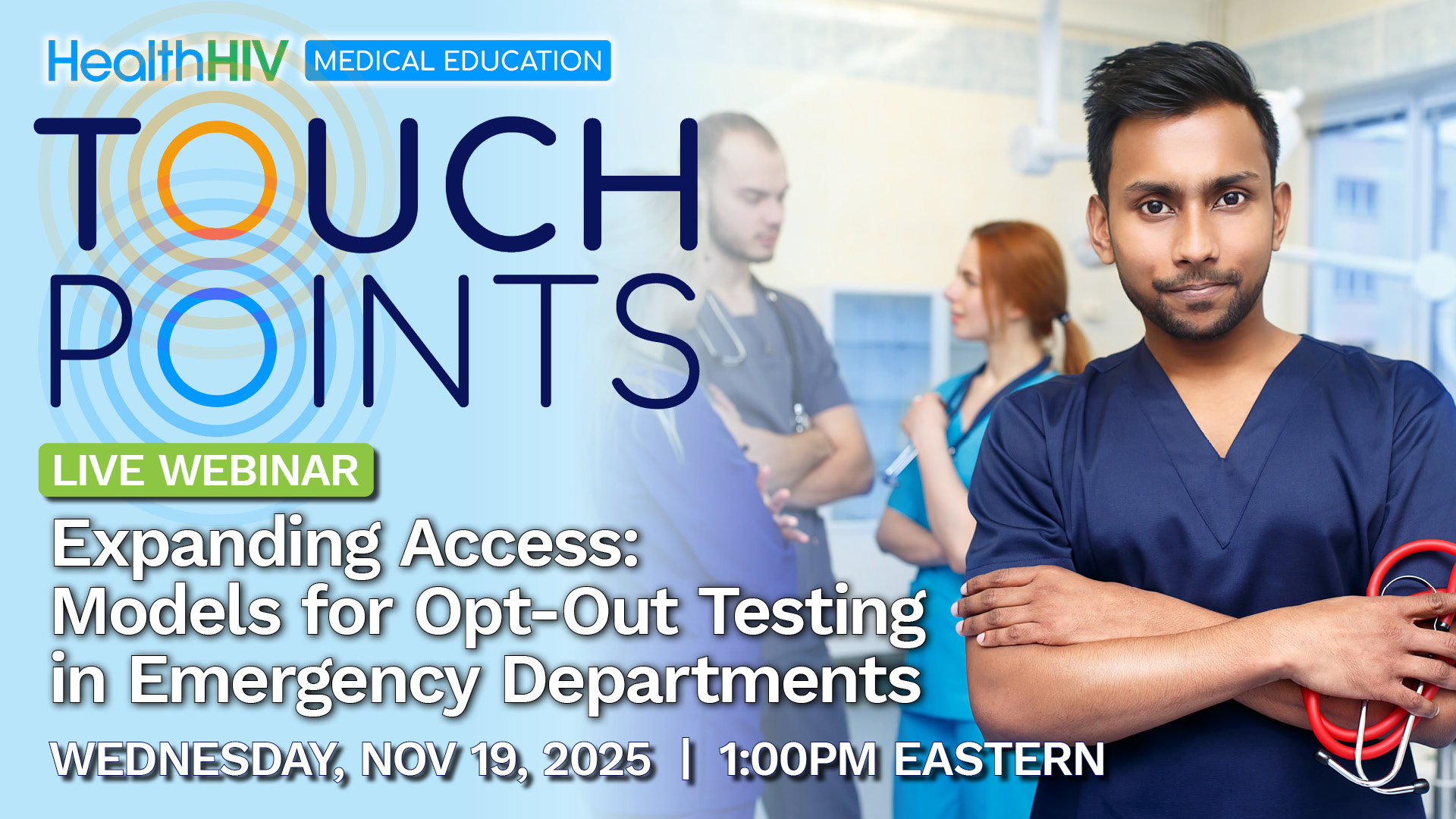
This webinar will share interim data and lessons learned from the “Touch Points” opt-out testing and linkage to care initiative, and explore benefits and limitations of different models for opt-out HIV testing implementation.

Get the latest training opportunities, news, and more delivered directly to your inbox.
Get Updates© Copyright 2025 HealthHIV. All rights reserved. | Privacy Policy | Site Map | About
Follow Us: HealthHIV Health_HIV HealthHIV @HealthHIV